- English
- Chinese
- French
- German
- Portuguese
- Spanish
- Russian
- Japanese
- Korean
- Arabic
- Irish
- Greek
- Turkish
- Italian
- Danish
- Romanian
- Indonesian
- Czech
- Afrikaans
- Swedish
- Polish
- Basque
- Catalan
- Esperanto
- Hindi
- Lao
- Albanian
- Amharic
- Armenian
- Azerbaijani
- Belarusian
- Bengali
- Bosnian
- Bulgarian
- Cebuano
- Chichewa
- Corsican
- Croatian
- Dutch
- Estonian
- Filipino
- Finnish
- Frisian
- Galician
- Georgian
- Gujarati
- Hausa
- Hawaiian
- Hebrew
- Hmong
- Hungarian
- Icelandic
- Igbo
- Javanese
- Kannada
- Kazakh
- Khmer
- Kurdish
- Kyrgyz
- Latin
- Latvian
- Lithuanian
- Luxembou..
- Macedonian
- Malagasy
- Malay
- Malayalam
- Maltese
- Maori
- Marathi
- Mongolian
- Burmese
- Nepali
- Norwegian
- Pashto
- Persian
- Punjabi
- Serbian
- Sesotho
- Sinhala
- Slovak
- Slovenian
- Somali
- Samoan
- Scots Gaelic
- Shona
- Sindhi
- Sundanese
- Swahili
- Tajik
- Tamil
- Telugu
- Thai
- Ukrainian
- Urdu
- Uzbek
- Vietnamese
- Welsh
- Xhosa
- Yiddish
- Yoruba
- Zulu
- Kinyarwanda
- Tatar
- Oriya
- Turkmen
- Uyghur



How do VEGETABLE CAPSULES impact sustainability?
2025-10-11
The transition to vegetable capsules is often pitched as a sustainable choice, but what does that really mean on the ground? Many in the industry might hear “sustainability” and think immediately of biodegradable materials or reduced carbon footprints, but it’s more nuanced. Let’s dive into some tangible ways these capsules contribute—or sometimes fall short—in making a greener impact.
The Rise of Vegetable Capsules
At first glance, the use of plant-based materials seems like a straightforward improvement. Unlike traditional gelatin capsules, which are derived from animal products, vegetable capsules are often derived from cellulose, a plant-based compound. This not only opens doors for vegetarians and vegans but taps into the growing demand for more ethically produced products.
In working with companies like SUQIAN KELAIYA INTERNATIONAL TRADING CO., LTD, it’s evident that sustainability is not just a buzzword but a driving force. Their focus doesn’t just rest on producing empty capsules but encompasses the development of new drugs and manufacturing machines that support this green shift. They have manufacturing sites in both Zhejiang and Jiangsu provinces, which are structured to adapt to the evolving demands for eco-friendly practices.
However, the journey towards complete sustainability involves more than sourcing materials. The energy used in manufacturing and the life cycle of these products play significant roles. Vegetable capsules fare better than gelatin in the sense that they rely on renewable resources, but how they’re processed and transported is equally crucial.

Manufacturing Insights
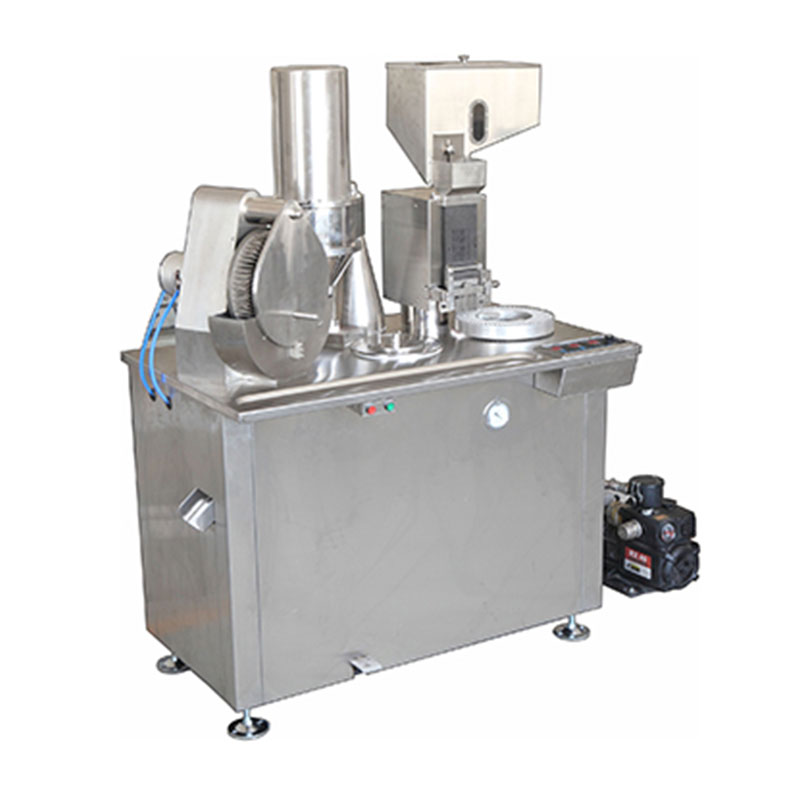
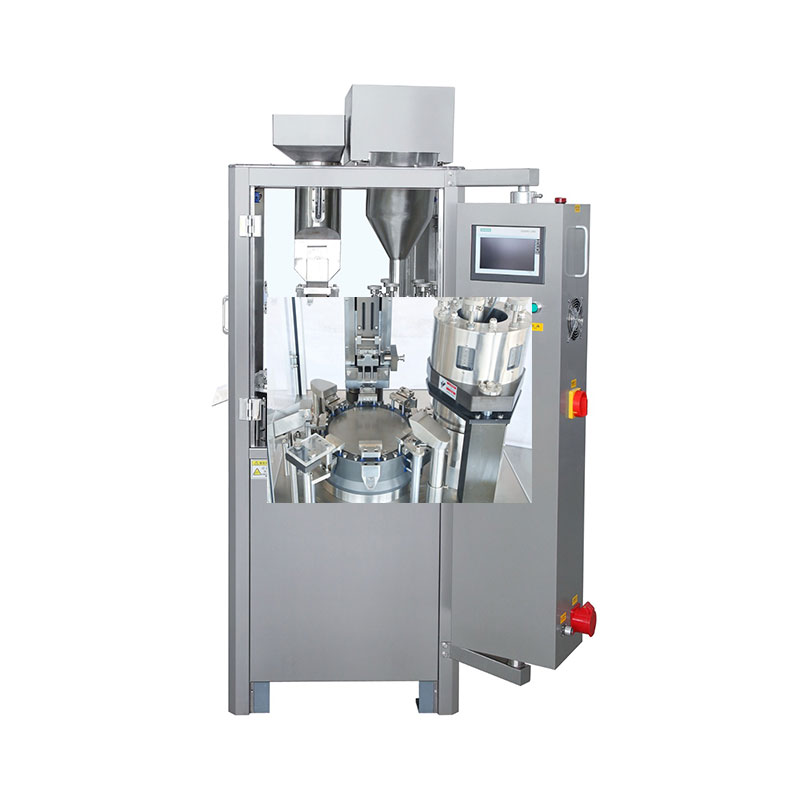
Having visited both manufacturing sites in Zhejiang and Jiangsu provinces, the commitment to reduce emissions and waste was palpable. The processes employed aim to minimize environmental impact, from energy-efficient machinery to waste management systems. The filling machines, in particular, are designed for precision, reducing both material waste and energy consumption.
This all sounds positive, but there are still challenges. The initial cost of transitioning to more sustainable practices can be substantial, and not every company can shoulder that burden immediately. Moreover, while the cellulose used in these capsules is indeed plant-derived, it’s essential to consider where these plants come from and ensure they don’t contribute to deforestation or intensive farming practices.
Many companies, including Suqian Kelaiya Corp., are also looking into alternative sources and innovative technologies to address these issues. Constant research and development are vital components of their strategy, showcasing a balanced approach between immediate actions and long-term goals.
The Consumer Perspective
Another aspect is consumer awareness and demand. More buyers are asking questions about what’s in their supplements and how they’re made, which pressures manufacturers to prioritize transparency and sustainability. The company’s approach is driven in part by this demand shift, as they continue to refine their products and processes.
But, consumers need to understand that sustainability is a moving target. What’s considered eco-friendly today might not suffice tomorrow due to technological advancements and changing environmental standards. Educated consumers hold the power to shape the market and push companies to innovate further.
Ultimately, this shapes the market dynamics and forces further innovation. With companies like Suqian Kelaiya Corp. at the forefront, the industry moves toward a future where what’s good for the planet aligns seamlessly with business goals.
Challenges in Distribution
Distributing these eco-friendly products poses its hurdles. Balancing the need for protective packaging without contributing to excessive waste is a conundrum. Suqian Kelaiya Corp. and similar players work diligently to optimize logistics and packaging solutions to cut down unnecessary footprint.
One lesson learnt is the effectiveness of local sourcing to sidestep lengthy shipping routes, which aligns with their strategy to utilize local plant materials where feasible, thereby drastically reducing associated emissions.
Moreover, striking a balance in packaging—ensuring product integrity without resorting to over-packaging—remains a continual challenge. Each innovation in this space adds value not just to the bottom line, but also to the broader sustainability goals.
Environmental and Economic Impact
Vegetable capsules seem small but wield considerable influence over both environmental and economic areas. They symbolize a shift towards biomaterials that can support biodiversity when managed responsibly. The move away from animal-based products reduces dependency on livestock and encourages plant-based agriculture.
Nevertheless, economic aspects cannot be overlooked. Sustainable practices sometimes come with increased costs. To bridge this, initiatives such as bulk purchasing, supported by advanced technology, often bring down expenses and make sustainable options more economically viable.
The ecosystem developed by Suqian Kelaiya Corp. is a testament to how intricate and intertwined these considerations are. Their manufacturing sites focus on eco-friendly innovations and energy efficiency, displaying a tangible commitment to this cause.
This is not a quick win, but part of a prolonged strategy towards a sustainable future. The success of this model doesn’t just rest on the manufacturer; it’s a collective endeavor, involving conscious consumers, industry peers, and sustainable frameworks.