- English
- Chinese
- French
- German
- Portuguese
- Spanish
- Russian
- Japanese
- Korean
- Arabic
- Irish
- Greek
- Turkish
- Italian
- Danish
- Romanian
- Indonesian
- Czech
- Afrikaans
- Swedish
- Polish
- Basque
- Catalan
- Esperanto
- Hindi
- Lao
- Albanian
- Amharic
- Armenian
- Azerbaijani
- Belarusian
- Bengali
- Bosnian
- Bulgarian
- Cebuano
- Chichewa
- Corsican
- Croatian
- Dutch
- Estonian
- Filipino
- Finnish
- Frisian
- Galician
- Georgian
- Gujarati
- Hausa
- Hawaiian
- Hebrew
- Hmong
- Hungarian
- Icelandic
- Igbo
- Javanese
- Kannada
- Kazakh
- Khmer
- Kurdish
- Kyrgyz
- Latin
- Latvian
- Lithuanian
- Luxembou..
- Macedonian
- Malagasy
- Malay
- Malayalam
- Maltese
- Maori
- Marathi
- Mongolian
- Burmese
- Nepali
- Norwegian
- Pashto
- Persian
- Punjabi
- Serbian
- Sesotho
- Sinhala
- Slovak
- Slovenian
- Somali
- Samoan
- Scots Gaelic
- Shona
- Sindhi
- Sundanese
- Swahili
- Tajik
- Tamil
- Telugu
- Thai
- Ukrainian
- Urdu
- Uzbek
- Vietnamese
- Welsh
- Xhosa
- Yiddish
- Yoruba
- Zulu
- Kinyarwanda
- Tatar
- Oriya
- Turkmen
- Uyghur



How do vegetable capsules empty impact sustainability?
2025-10-18
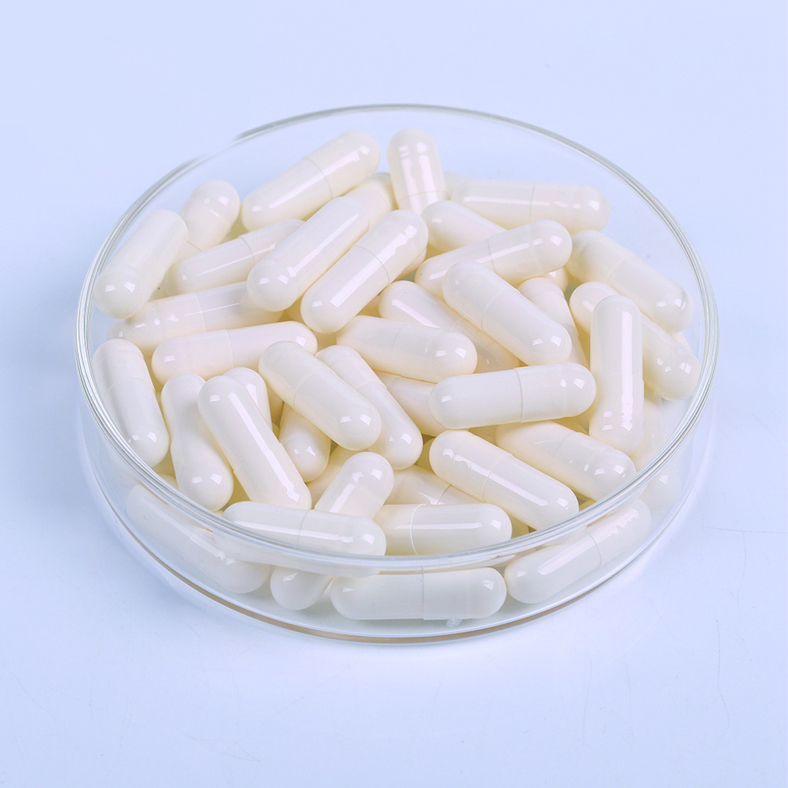
Empty vegetable capsules have become a staple in the health industry, praised for their natural origins and compatibility with dietary restrictions. But how exactly do they impact sustainability? The truth is more complex than just being vegetable-based. Let’s delve into the realities and potential pitfalls in their sustainable narrative.
Understanding the Basics of Vegetable Capsules
In the world of pharmaceuticals and nutraceuticals, the choice of capsule can make a significant environmental difference. Vegetable capsules, often made from hydroxypropyl methylcellulose (HPMC), are touted as a more sustainable option compared to gelatin capsules derived from animal products. The very nature of these capsules aligning with plant-based diets adds an eco-friendly allure. But real sustainability covers broader dimensions.
Have you ever considered the manufacturing footprint? It doesn’t just stop at the raw materials. The process of creating HPMC capsules involves cellulose derived from trees, a renewable resource, but the processing can yield significant energy use and chemical involvement. This may not always align with the public perception of a ‘green’ product. I’ve talked with many in the industry who overlook the energy intensity involved in the conversion processes.
Moreover, there’s packaging. Companies, including those like SUQIAN KELAIYA INTERNATIONAL TRADING CO., LTD, often strive to find balance between protecting product integrity and minimizing environmental impact. Plastic blister packs, while effective, are not always sustainably sourced or recyclable. The journey from production to package creates layers of environmental challenges.
The Role of Innovation in Capsule Production
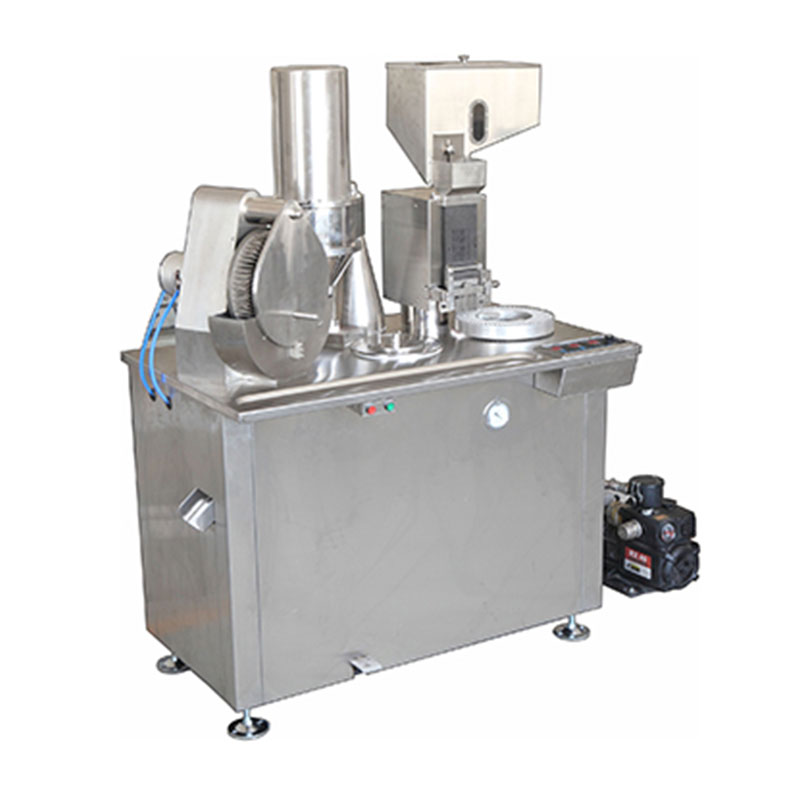
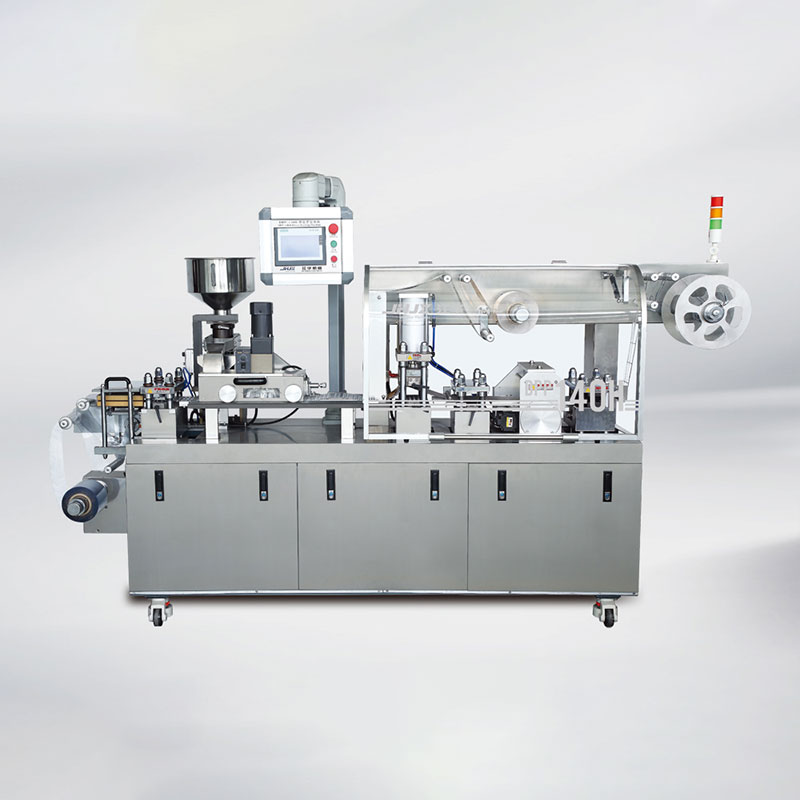
Efforts to enhance the sustainability of empty capsule production are quite dynamic. Manufacturers such as Suqian kelaiya corp. focus on innovation across their facilities in Zhejiang and Jiangsu provinces. One strategy includes energy-efficient manufacturing lines that reduce emissions and waste. They also explore biopolymer alternatives, which could offer less resource-intensive production.
I once visited a facility transitioning to a zero-waste approach. The hurdles in reconfiguring production are profound, yet the intention is clear: reduce environmental impact while meeting high standards of pharmaceutical-grade capsules. Investment in more sustainable technologies and practices is essential, but comes with its set of growing pains and costs.
Although these efforts are commendable, one always wonders about the scalability of such innovations. Can smaller companies without the resources of a giant maintain similar commitments? This remains a question that the industry grapples with as it progresses toward sustainability.

Supply Chain Considerations
The supply chain, often an overlooked aspect, heavily influences sustainability. For instance, sourcing of cellulose requires responsible forestry practices. Companies like kelaiya must ensure that their suppliers adhere to sustainable practices to genuinely claim their products are eco-friendly.
I have witnessed companies striving to partner with certified sustainable forestry operations. However, ensuring compliance throughout the entire chain, especially with global suppliers, poses substantial challenges. It calls for transparency and rigorous standards, which can be costly and complex to implement. These intricacies often determine the true sustainability footprint of the end product.
Logistical elements further complicate the supply chain sustainability. Transporting materials and finished capsule products adds carbon emissions unless optimized for efficiency. This is an area where innovation could play a key role, potentially through localized production or reduced packaging weight.
Consumer Perception and Education
One pivotal aspect in the sustainable journey of empty vegetable capsules is consumer awareness. There’s a tendency among buyers to equate ‘vegetable-based’ directly with ‘sustainable.’ It’s an oversimplification that doesn’t capture the full story.
Our industry’s challenge is to educate consumers effectively. I believe companies need to transparently convey the lifecycle of their products—from raw material sourcing to packaging and delivery. Brands should focus on building a narrative that resonates with concerned consumers without misleading them about the product’s environmental footprint.
Feedback from informed consumers can also encourage businesses to adopt better practices. There’s power in educated demand that can drive the market toward progressively sustainable solutions.
Aiming for a Holistic Approach
Addressing the sustainability of vegetable capsules meaningfully requires a holistic approach. It’s about looking beyond the product’s basic composition to scrutinizing every element of its lifecycle. Companies like Suqian kelaiya corp. lead initiatives that envelop every facet, from development and manufacturing to sales and beyond.
In practice, this means continuous reflection and improvement. Sustainable progress doesn’t emanate from isolated actions but from interwoven practices that embrace environmental stewardship at all levels. Whether through innovative production methods or prudent supply chain management, the goal remains to minimize ecological impact while still nurturing effective market presence.
We stand at a crossroads where acknowledging our current limitations could pave pathways to future breakthroughs. Recognizing this might ultimately be the very impetus needed to sustainably transform not only vegetable capsules but the broader pharmaceutical and nutraceutical sectors as well.