- English
- Chinese
- French
- German
- Portuguese
- Spanish
- Russian
- Japanese
- Korean
- Arabic
- Irish
- Greek
- Turkish
- Italian
- Danish
- Romanian
- Indonesian
- Czech
- Afrikaans
- Swedish
- Polish
- Basque
- Catalan
- Esperanto
- Hindi
- Lao
- Albanian
- Amharic
- Armenian
- Azerbaijani
- Belarusian
- Bengali
- Bosnian
- Bulgarian
- Cebuano
- Chichewa
- Corsican
- Croatian
- Dutch
- Estonian
- Filipino
- Finnish
- Frisian
- Galician
- Georgian
- Gujarati
- Hausa
- Hawaiian
- Hebrew
- Hmong
- Hungarian
- Icelandic
- Igbo
- Javanese
- Kannada
- Kazakh
- Khmer
- Kurdish
- Kyrgyz
- Latin
- Latvian
- Lithuanian
- Luxembou..
- Macedonian
- Malagasy
- Malay
- Malayalam
- Maltese
- Maori
- Marathi
- Mongolian
- Burmese
- Nepali
- Norwegian
- Pashto
- Persian
- Punjabi
- Serbian
- Sesotho
- Sinhala
- Slovak
- Slovenian
- Somali
- Samoan
- Scots Gaelic
- Shona
- Sindhi
- Sundanese
- Swahili
- Tajik
- Tamil
- Telugu
- Thai
- Ukrainian
- Urdu
- Uzbek
- Vietnamese
- Welsh
- Xhosa
- Yiddish
- Yoruba
- Zulu
- Kinyarwanda
- Tatar
- Oriya
- Turkmen
- Uyghur



How do empty vegetable capsules CVS impact sustainability?
2025-11-29
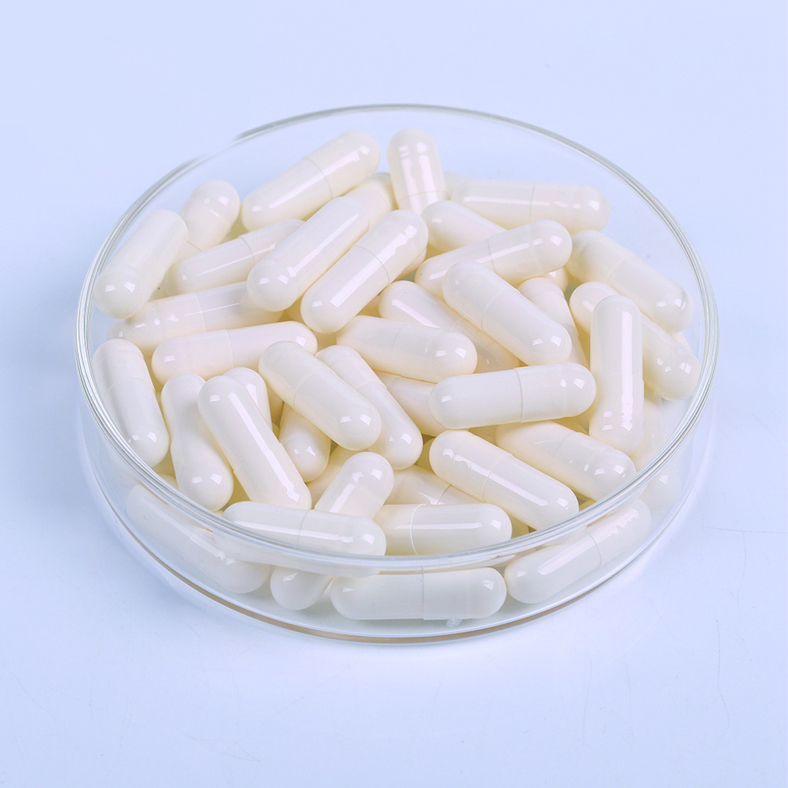
Empty vegetable capsules have been gaining popularity in the health and wellness industry, but their impact on sustainability is often misunderstood. There is an assumption that because they are plant-based, they must automatically be environmentally friendly. However, this assumption can be misleading. Let’s delve into the factors that affect their sustainability, drawing from experience and observations in the industry.

Understanding the Basics
When considering the sustainability of empty vegetable capsules, it’s essential first to understand what they’re made from. Typically, these capsules are made from plant-derived materials like cellulose. However, not all cellulose is sourced in eco-friendly ways. It’s crucial to evaluate the farming practices behind the raw materials.
One key issue to be aware of is land use. Large-scale farming for cellulose can lead to deforestation if not managed correctly. While some companies work towards sustainable sourcing, others may not, which complicates the overall sustainability of the product. I’ve seen businesses making strides in this area, but it requires constant vigilance and responsible partnerships.
Moreover, production processes also play a vital role. For instance, the energy consumption during manufacturing can significantly affect the environmental footprint. Companies like Suqian Kelaiya Corp., with their production facilities in Zhejiang and Jiangsu, often have to balance between maintaining efficiency and reducing energy usage. It’s a challenge many manufacturers face.
Packaging Concerns
Another seemingly minor yet substantial factor is packaging. Many vegetable capsules are packaged in plastic, which contributes to environmental degradation. The packaging might appear insignificant, but every part counts towards sustainability.
One might argue for biodegradable packaging alternatives, but in practice, these alternatives are not always commercially viable or compatible with industry standards. I recall a project at Suqian Kelaiya Corp. where exploring alternative packaging was a top agenda, yet the trials pointed to logistical and regulatory hurdles that were tough to overcome.
Yet, innovation in this area is still ongoing. Many companies, including manufacturers and end-product developers, are investing in research to create more sustainable packaging solutions. It’s an area ripe for development, but complexity abounds.
The Role of Consumers
Consumers play a critical role in driving sustainability. Demand for eco-friendly products is increasing, and this shift encourages companies to adopt greener practices. For instance, if consumers start demanding transparency in capsule sourcing and manufacturing, companies are more likely to prioritize sustainability.
At Suqian Kelaiya Corp., we noticed that consumer inquiries often focus on sourcing transparency and environmental impact. This feedback loop is crucial. In previous years, such consumer pressure might have been less pronounced, but today it drives significant change in the industry.
However, this also means that consumers need education on what truly sustainable products entail. Ethical marketing should inform rather than mislead. The dialogue between the industry and consumers is key to making responsible choices.
Challenges in Manufacturing
The challenges in manufacturing sustainable vegetable capsules are numerous. From raw material sourcing to energy consumption and waste management, each step in the production chain has potential environmental impacts.
For instance, manufacturing sites, like those operated by Suqian Kelaiya Corp., constantly evaluate their energy usage and waste production. I’ve seen firsthand the balancing act required to maintain product quality while reducing environmental impact.
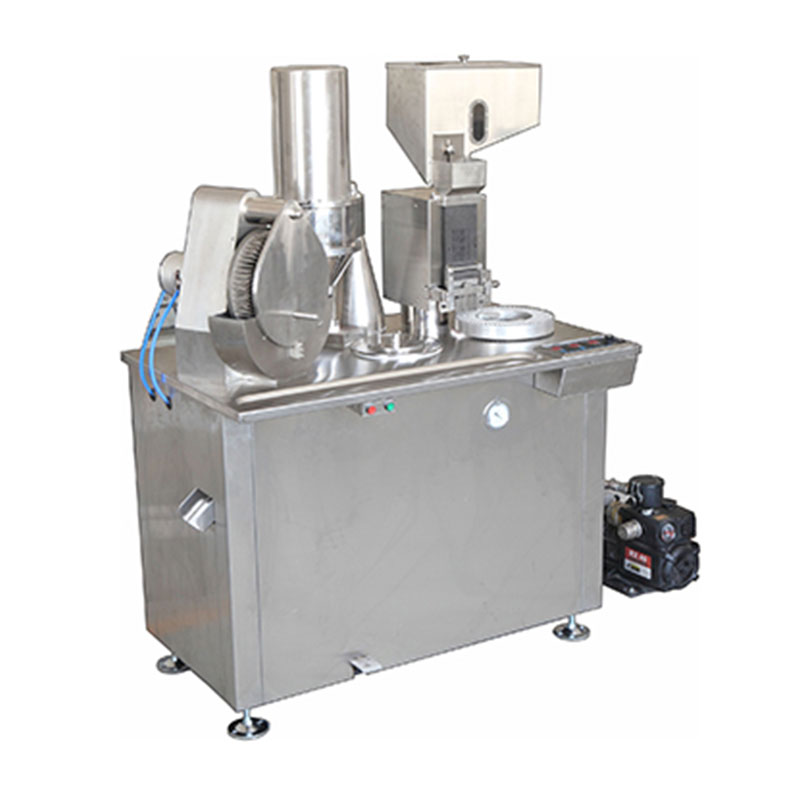
Innovation in manufacturing processes is another avenue being explored. Advances in machinery and technology could potentially reduce energy consumption and waste generation, but these require substantial investment and research.
Looking Forward
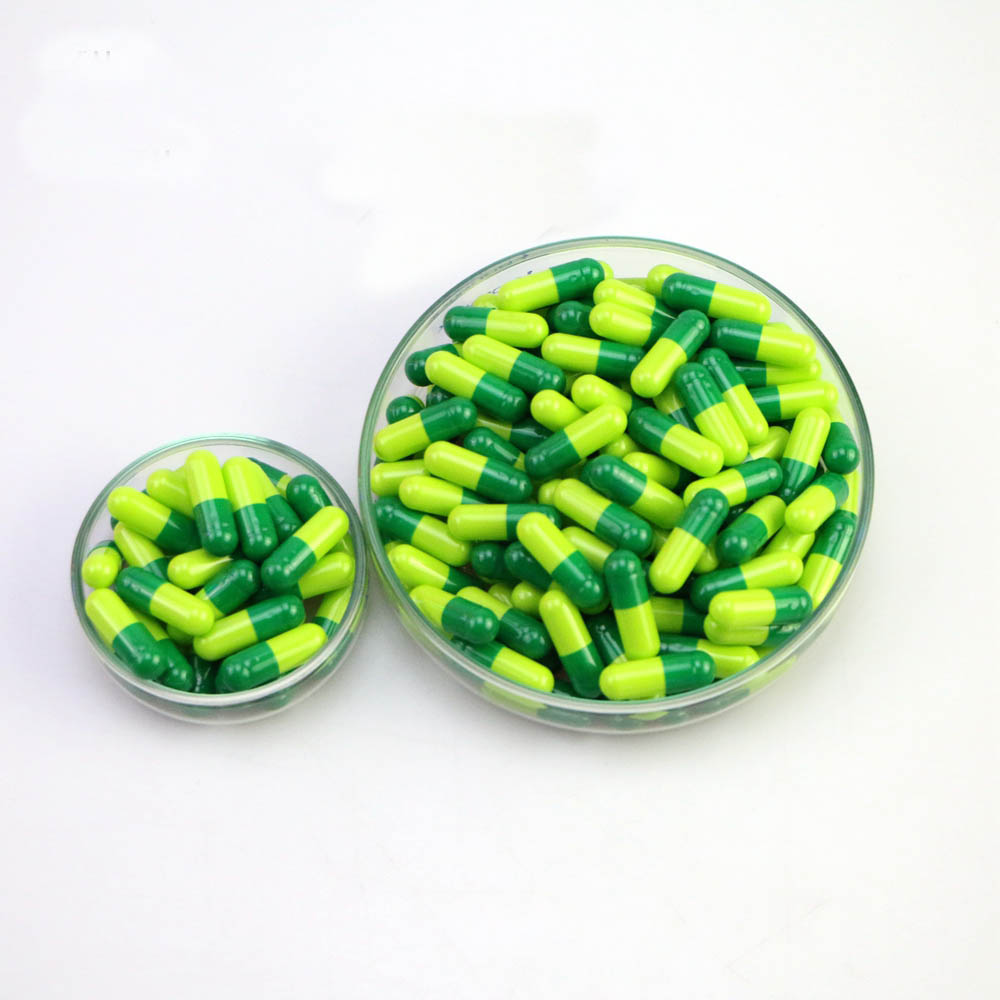
As the industry progresses, it’s crucial to focus on genuine sustainability, not just greenwashing. The future of sustainable vegetable capsules lies in holistic approaches encompassing all facets of their lifecycle.
Companies like Suqian Kelaiya Corp. are at the forefront, with continuous efforts in developing processes and engaging in responsible sourcing. It’s a gradual process involving trial, error, and learning.
Overall, the path to sustainable empty vegetable capsules involves collaboration across the supply chain—from manufacturers to consumers. While there are hurdles, the potential positive impact on the environment makes it a journey worth pursuing.