- English
- Chinese
- French
- German
- Portuguese
- Spanish
- Russian
- Japanese
- Korean
- Arabic
- Irish
- Greek
- Turkish
- Italian
- Danish
- Romanian
- Indonesian
- Czech
- Afrikaans
- Swedish
- Polish
- Basque
- Catalan
- Esperanto
- Hindi
- Lao
- Albanian
- Amharic
- Armenian
- Azerbaijani
- Belarusian
- Bengali
- Bosnian
- Bulgarian
- Cebuano
- Chichewa
- Corsican
- Croatian
- Dutch
- Estonian
- Filipino
- Finnish
- Frisian
- Galician
- Georgian
- Gujarati
- Hausa
- Hawaiian
- Hebrew
- Hmong
- Hungarian
- Icelandic
- Igbo
- Javanese
- Kannada
- Kazakh
- Khmer
- Kurdish
- Kyrgyz
- Latin
- Latvian
- Lithuanian
- Luxembou..
- Macedonian
- Malagasy
- Malay
- Malayalam
- Maltese
- Maori
- Marathi
- Mongolian
- Burmese
- Nepali
- Norwegian
- Pashto
- Persian
- Punjabi
- Serbian
- Sesotho
- Sinhala
- Slovak
- Slovenian
- Somali
- Samoan
- Scots Gaelic
- Shona
- Sindhi
- Sundanese
- Swahili
- Tajik
- Tamil
- Telugu
- Thai
- Ukrainian
- Urdu
- Uzbek
- Vietnamese
- Welsh
- Xhosa
- Yiddish
- Yoruba
- Zulu
- Kinyarwanda
- Tatar
- Oriya
- Turkmen
- Uyghur



How do empty 00 vegetable capsules impact sustainability?
2025-11-22
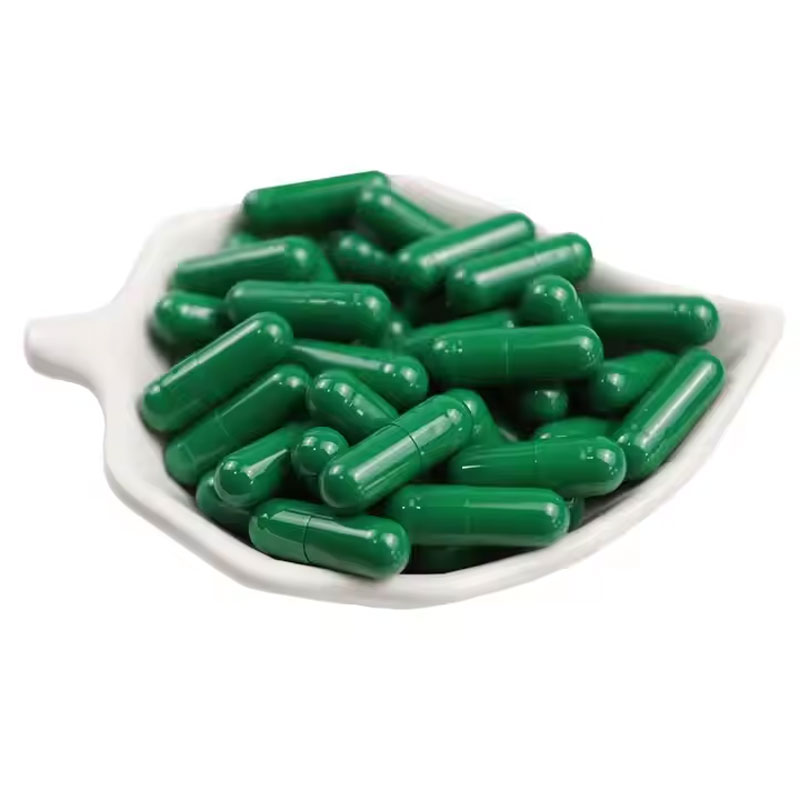
Empty 00 vegetable capsules might seem insignificant, just a small part of the larger pharmaceutical and supplement industry. Yet, their impact on sustainability is surprisingly substantial. It’s about understanding the materials, production processes, and lifecycle implications. Many assume these capsules, because they’re vegetable, are inherently eco-friendly. But is that truly the case?
Understanding the Materials
These capsules are primarily made from hydroxypropyl methylcellulose (HPMC), a plant-derived polymer. Unlike gelatin capsules, which rely on animal products, HPMC provides a vegetarian option. But being plant-based doesn’t automatically qualify it as sustainable. We need to consider where these plants are sourced and how they’re processed. Some companies make sure their raw materials are sustainably farmed, but it’s not a given across the board.
I recall visiting a manufacturing site in Zhejiang province, associated with SUQIAN KELAIYA INTERNATIONAL TRADING CO., LTD. They focus on new drug development and have extensive experience in producing these capsules. The emphasis there is on sustainable practices, but not all manufacturers might follow suit. It’s important to verify this aspect before making bold claims about sustainability.
The production process itself can also impact sustainability. Energy use, emissions, and even the water footprint of producing HPMC are factors that need careful management. A company like Suqian Kelaiya Corp., with its sites in Jiangsu and Zhejiang, aims to address these challenges, but the broader industry needs to catch up.
Lifecycle Impacts
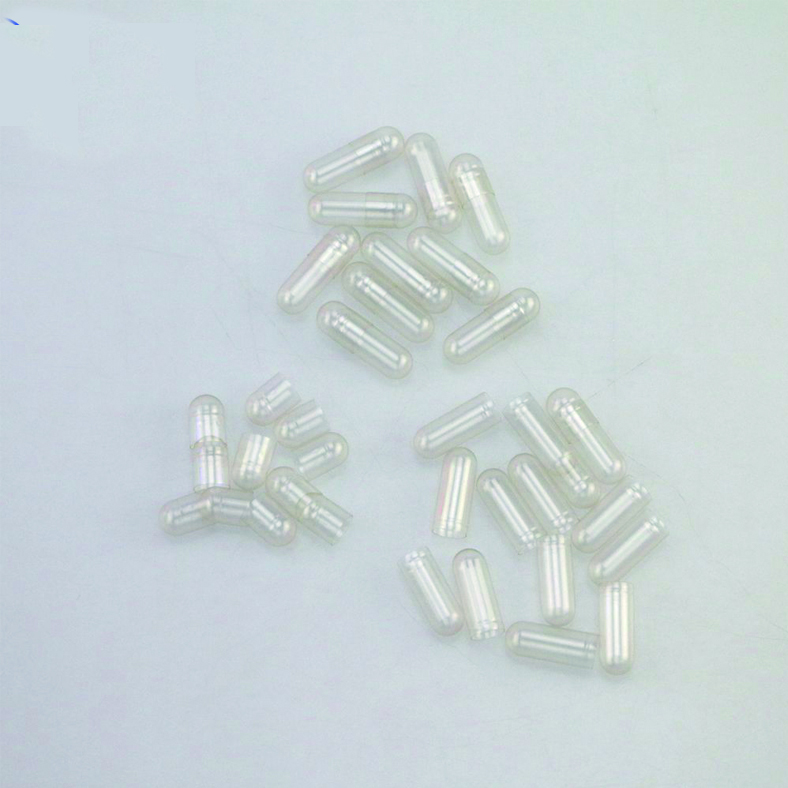
Then there’s the question of lifecycle. A fascinating aspect many overlook is how these capsules degrade after use. While they do break down more readily than non-plant-based materials, what are the conditions required for effective decomposition? Compostability in industrial facilities versus home settings could be worlds apart.
Real-world observation often reveals that not all biodegradable materials break down swiftly outside controlled environments. During a conference discussion, a colleague from Suqian Kelaiya Corp. mentioned that while their products are tested for biodegradability, it remains crucial for end-users to dispose of them properly to ensure they don’t end up contributing to landfill masses.
The irony? Even a product labeled as sustainable might not be fully beneficial unless it completes its lifecycle in the right manner. Several attempts have been made to improve this, like enhancing formulation for quicker breakdown, but consumer behavior still plays a massive role.
Economic Considerations
Cost is an undeniable factor, too. Vegetable capsules are generally pricier than their gelatin counterparts. Companies aiming for green credentials might pass these costs onto consumers, impacting market dynamics. Sustainability often comes with a higher price tag, one that not all businesses or consumers are willing to shoulder willingly.
Engaging with customers on this front can be challenging. When I was working on a project at Suqian Kelaiya Corp., we found it essential to emphasize not just the sustainability aspect but also the health benefits. That combination can justify the cost difference to eco-conscious consumers.
Additionally, government incentives or subsidies for sustainable manufacturing practices can alter this landscape significantly. However, such policies are not uniformly available across regions where manufacturers operate, adding another layer of complexity to the sustainability story of vegetable capsules.
Practical Challenges
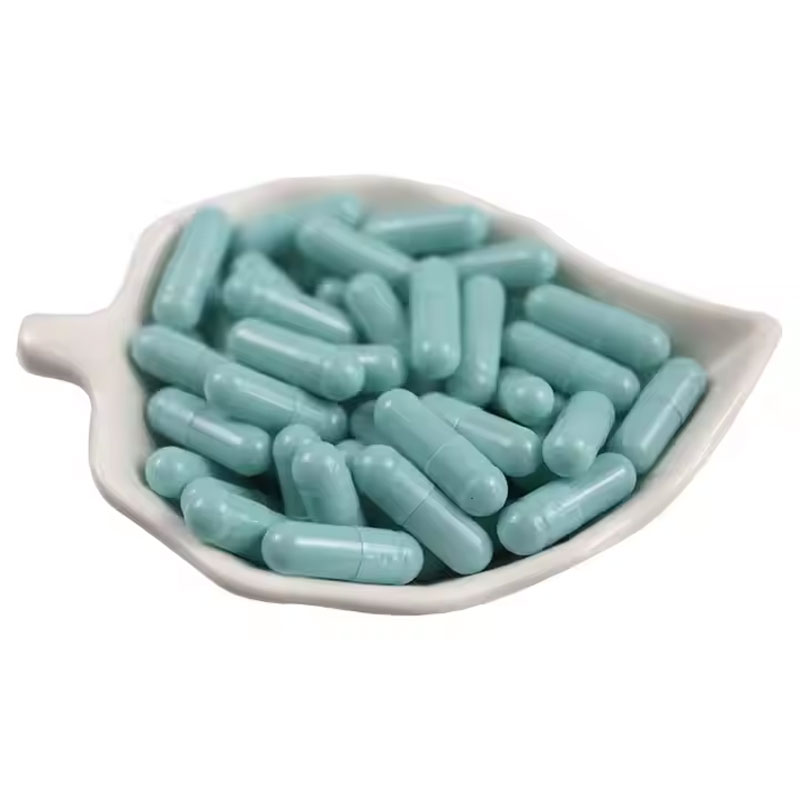
Scaling up sustainable practices isn’t straightforward. Manufacturers often face hurdles like technology constraints and supply chain issues. For instance, as someone involved in the operational side, I’ve seen how supply chain disruptions can affect sourcing raw materials crucial for these capsules. It’s not merely about having the right materials but ensuring their consistency and quality.
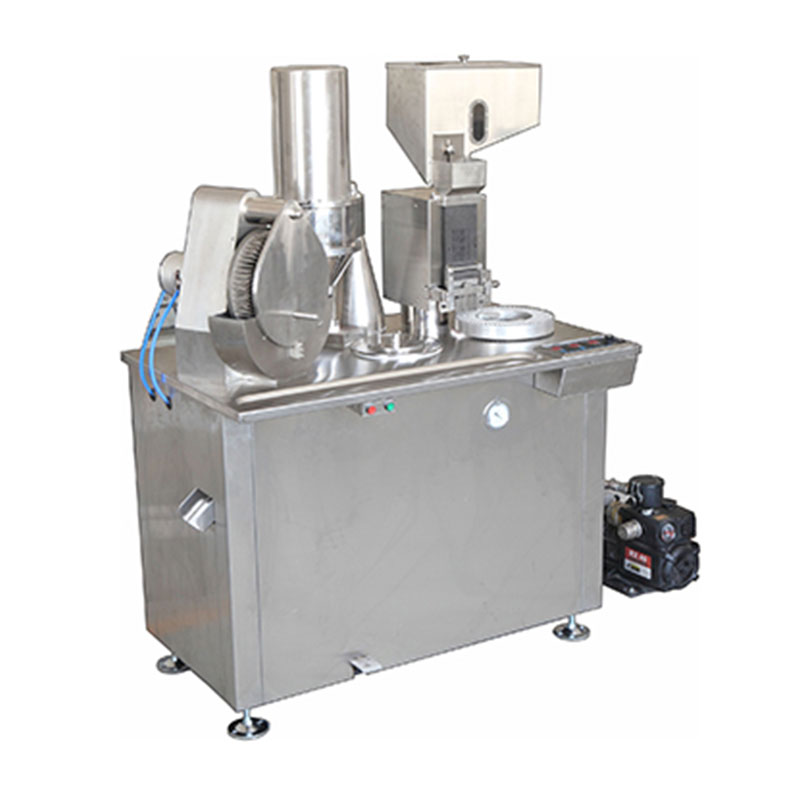
During a site visit, a manager at one of Suqian Kelaiya Corp.’s facilities mentioned the constant balancing act between maintaining sustainable practices and operational efficiency. Automated systems for capsule filling and packaging, available on their website, help mitigate human error but are delicate systems to maintain under high-demand situations.
All this implies that while pursuing sustainability, companies might encounter increased operational costs or need to make initial large investments. Yet, the longer-term benefits often compensate by building brand reputation and customer loyalty.
Future Prospects
The future holds promise but requires proactive measures. Advances in biopolymer technology could reduce the cost and increase the availability of eco-friendly capsules. The role of companies like Suqian Kelaiya Corp. becomes crucial as they invest in R&D and explore novel materials with improved sustainability profiles.
Furthermore, consumer awareness will likely drive changes. As more people demand transparency and accountability from brands, market forces could push the entire industry toward more sustainable practices. Active engagement in platforms showcasing innovations and sustainability strategies can solidify industry leadership roles.
Ultimately, the true measure of such empty 00 vegetable capsules on sustainability lies in a holistic view—from sourcing to disposal. Initiatives like those by SUQIAN KELAIYA INTERNATIONAL TRADING CO., LTD are setting a standard, yet it’s a shared journey involving manufacturers, consumers, and policymakers alike.