- English
- Chinese
- French
- German
- Portuguese
- Spanish
- Russian
- Japanese
- Korean
- Arabic
- Irish
- Greek
- Turkish
- Italian
- Danish
- Romanian
- Indonesian
- Czech
- Afrikaans
- Swedish
- Polish
- Basque
- Catalan
- Esperanto
- Hindi
- Lao
- Albanian
- Amharic
- Armenian
- Azerbaijani
- Belarusian
- Bengali
- Bosnian
- Bulgarian
- Cebuano
- Chichewa
- Corsican
- Croatian
- Dutch
- Estonian
- Filipino
- Finnish
- Frisian
- Galician
- Georgian
- Gujarati
- Hausa
- Hawaiian
- Hebrew
- Hmong
- Hungarian
- Icelandic
- Igbo
- Javanese
- Kannada
- Kazakh
- Khmer
- Kurdish
- Kyrgyz
- Latin
- Latvian
- Lithuanian
- Luxembou..
- Macedonian
- Malagasy
- Malay
- Malayalam
- Maltese
- Maori
- Marathi
- Mongolian
- Burmese
- Nepali
- Norwegian
- Pashto
- Persian
- Punjabi
- Serbian
- Sesotho
- Sinhala
- Slovak
- Slovenian
- Somali
- Samoan
- Scots Gaelic
- Shona
- Sindhi
- Sundanese
- Swahili
- Tajik
- Tamil
- Telugu
- Thai
- Ukrainian
- Urdu
- Uzbek
- Vietnamese
- Welsh
- Xhosa
- Yiddish
- Yoruba
- Zulu
- Kinyarwanda
- Tatar
- Oriya
- Turkmen
- Uyghur



How do cellulose vegetable capsules impact sustainability?
2025-11-15
In the world of pharmaceuticals and supplements, sustainability is a frequent topic, and cellulose vegetable capsules have been gaining attention as a potentially greener alternative. But what does sustainability really mean in the context of these capsules, and how significant is their impact? Let’s dive into the details.
Understanding the Basics
Cellulose vegetable capsules are crafted from vegetable fibers, which are typically derived from trees like pine or spruce. The basic idea is that these materials are renewable, unlike the gelatin they often replace, which comes from animal by-products. At first glance, this looks like a win. But, the real question lies in the lifecycle assessment. Are these materials sourced responsibly? Are the trees sustainably managed? It’s not just about what they’re made of, but how they’re processed and cultivated.
In my experiences, particularly when working with SUQIAN KELAIYA INTERNATIONAL TRADING CO., LTD, it’s evident that the move towards sustainability often involves trial and error. In our manufacturing sites in Zhejiang and Jiangsu provinces, we have seen firsthand how important it is to ensure that sources are certified and verified. This is a crucial step in ensuring that these products truly contribute to sustainability.
Interestingly, one shouldn’t ignore the role of local regulations and international standards. We’ve faced challenges aligning processes with these frameworks, which can often be more stringent than expected. However, adhering to these standards is vital for genuine sustainability.
The Manufacturing Puzzle
Shifting our focus a bit, when it comes to the manufacturing of cellulose vegetable capsules, energy consumption is a significant piece of the puzzle. The production of these capsules, especially when juxtaposed with gelatin counterparts, tends to require less water and energy. But again, the devil’s in the details.
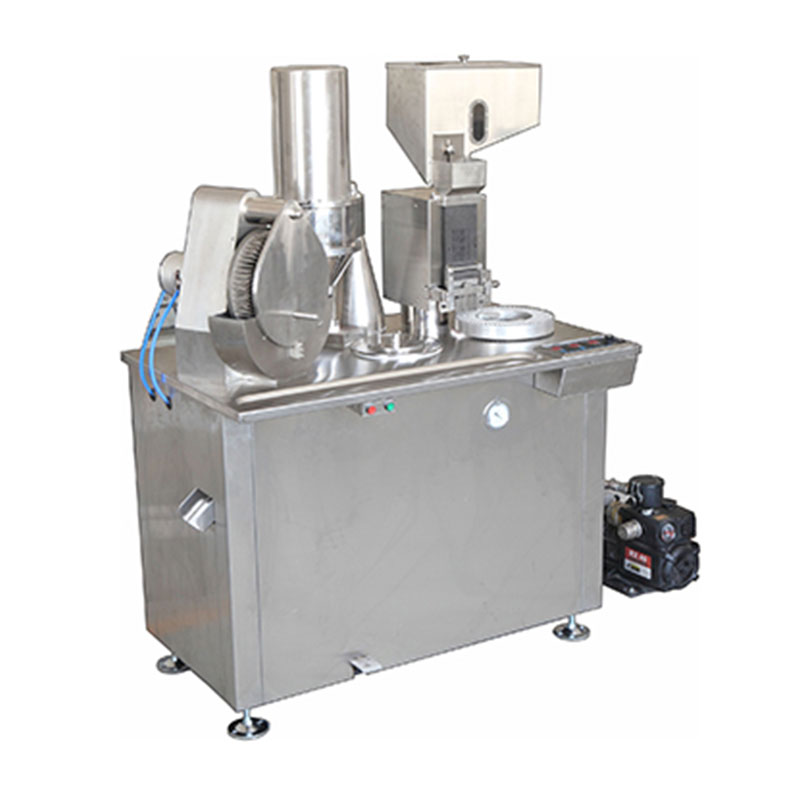
The production line at Suqian kelaiya corp., which includes capsule filling and blister machines, shows that while energy savings can be achieved, it often demands advanced technology and investment in evolving manufacturing techniques. We’ve had to upgrade our equipment continually to align with sustainable practices.
These upgrades offer a glimpse into the often unnoticed aspect of sustainability—investment. Such movement towards a more sustainable operation requires not only commitment but also capital. The return on this investment isn’t always immediate but is undeniably valuable long-term.

End-of-Life Considerations
Now, shifting our gears towards what happens after these capsules are used. Most studies focus on production and use phases but understanding the end-of-life phase is equally essential for a complete picture of sustainability.
The biodegradability of cellulose vegetable capsules is often touted as a selling point. However, not every environment is conducive to their breakdown. Industrial composting facilities can efficiently handle them, but such facilities aren’t universally available. This is where local infrastructure plays a significant role.
From our experience at Suqian kelaiya corp., engaging with local waste management systems can offer insights. Unfortunately, many regions lack the necessary facilities, which somewhat diminishes their sustainable edge. It’s an area we’ve begun looking into more closely, seeking partnerships or opportunities for advocacy in waste infrastructure developments.
The Consumer Angle
Delving into the consumer perspective, it’s intriguing to see how awareness and demand drive or limit the adoption of sustainable options. Marketing these capsules as a green choice does attract attention, yet educating consumers about their full benefits and limitations is equally vital.
At our company, we’ve tried different approaches to communicate with our audience. We’ve found that transparent marketing strategies that delve into both the pros and cons of the materials are more effective. It builds trust and aligns expectations.
This transparency has even influenced product development. Customer feedback has guided us to tweak formulations and explore potential innovations. It’s an ongoing dialogue, rather than a one-time transaction, reinforcing that sustainability isn’t only about ecological impact but also about meaningful engagement and education.

Looking Forward
So where does this leave us? Sustainability is a journey, not a destination. Cellulose vegetable capsules represent a step in the right direction but shouldn’t be seen as the ultimate solution.
Our goal at Suqian kelaiya corp. is to integrate sustainability at every level, from raw material sourcing to end-user education. Each new project, whether it’s developing a new filling machine or improving our procedures, involves continuous learning and adaptation.
Ultimately, the impact of cellulose vegetable capsules on sustainability is significant yet complex, requiring consideration of every link in the chain. It’s a reflection of a broader challenge within the industry—finding the balance between practicality, impact, and innovation. As we continue to navigate these challenges, the focus remains steadfast on making choices that are truly beneficial for our planet.