- English
- Chinese
- French
- German
- Portuguese
- Spanish
- Russian
- Japanese
- Korean
- Arabic
- Irish
- Greek
- Turkish
- Italian
- Danish
- Romanian
- Indonesian
- Czech
- Afrikaans
- Swedish
- Polish
- Basque
- Catalan
- Esperanto
- Hindi
- Lao
- Albanian
- Amharic
- Armenian
- Azerbaijani
- Belarusian
- Bengali
- Bosnian
- Bulgarian
- Cebuano
- Chichewa
- Corsican
- Croatian
- Dutch
- Estonian
- Filipino
- Finnish
- Frisian
- Galician
- Georgian
- Gujarati
- Hausa
- Hawaiian
- Hebrew
- Hmong
- Hungarian
- Icelandic
- Igbo
- Javanese
- Kannada
- Kazakh
- Khmer
- Kurdish
- Kyrgyz
- Latin
- Latvian
- Lithuanian
- Luxembou..
- Macedonian
- Malagasy
- Malay
- Malayalam
- Maltese
- Maori
- Marathi
- Mongolian
- Burmese
- Nepali
- Norwegian
- Pashto
- Persian
- Punjabi
- Serbian
- Sesotho
- Sinhala
- Slovak
- Slovenian
- Somali
- Samoan
- Scots Gaelic
- Shona
- Sindhi
- Sundanese
- Swahili
- Tajik
- Tamil
- Telugu
- Thai
- Ukrainian
- Urdu
- Uzbek
- Vietnamese
- Welsh
- Xhosa
- Yiddish
- Yoruba
- Zulu
- Kinyarwanda
- Tatar
- Oriya
- Turkmen
- Uyghur



How are clear vegetable capsules eco-friendly?
2025-11-08
In the world of supplements, the eco-friendliness of clear vegetable capsules often sparks debate. While many assume these capsules are just a marketing gimmick, there are layers to their environmental benefits that merit exploration. Let’s navigate through some eye-opening insights and address common misconceptions.

The Basics of Vegetable Capsules
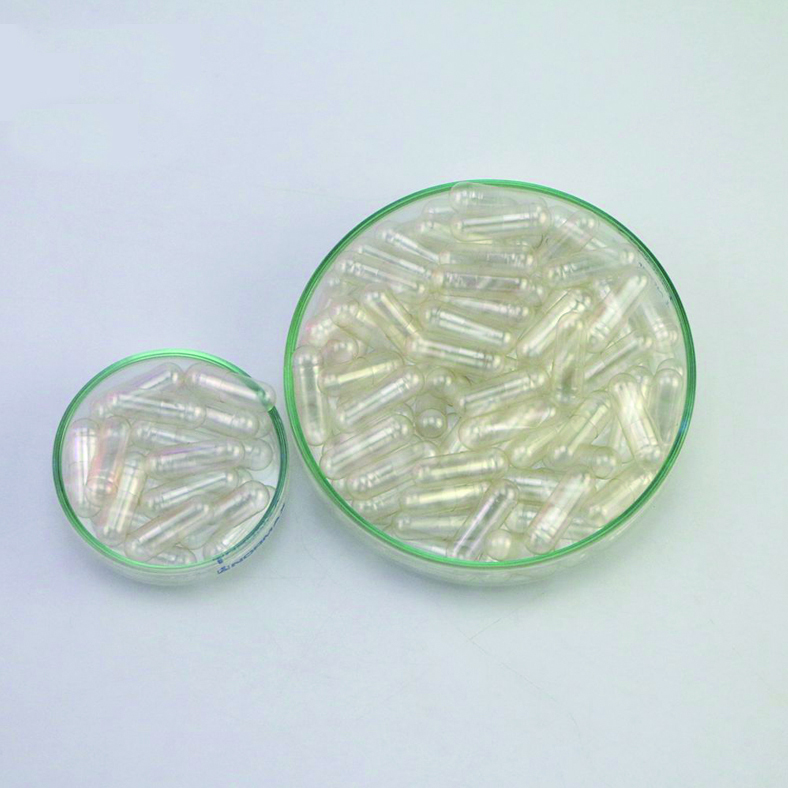
First, what exactly are these vegetable capsules? Unlike gelatin capsules, which are derived from animal by-products, vegetable capsules are made from cellulose, the structural component of plants. This raw material, typically sourced from pine or poplar trees, frames their primary environmental advantage.
In my experience, working with Suqian Kelaiya International Trading Co., Ltd., recognized for its expertise in drug development, I’ve seen firsthand the industry’s shift towards these plant-based alternatives. The cellulose not only bypasses ethical concerns linked to animal-based products but also supports sustainable farming practices. Though challenges exist, such as sourcing and ethical logging, the potential for eco-friendliness is significant.
I recall a project in Zhejiang province, at one of our manufacturing sites, where pivoting to vegetable capsules significantly reduced our carbon footprint. It was eye-opening to measure the reduced environmental impact by using sustainably sourced materials.
Sustainability and Environmental Impact
Discussing eco-friendliness isn’t complete without touching on sustainability. With Suqian Kelaiya’s facilities in both Zhejiang and Jiangsu provinces, we have a unique perspective on operational carbon footprints. The idea is straightforward: vegetable capsules decompose more rapidly compared to their gelatin counterparts, reducing landfill bulk.
However, one might wonder about the practicality of this advantage. Take, for example, production residues. While vegetable materials are biodegradable, ensuring proper disposal is critical. At our Jiangsu site, implementing eco-conscious waste management practices was essential. This way, we reinforce the sustainable promise of these capsules.
Moreover, there’s a growing movement within the industry—driven by both regulatory pressures and consumer demands—towards more biodegradable packaging solutions. This holistic approach ensures that the capsule’s lifecycle, from source to disposal, remains ecologically considerate.
Biodegradable Benefits
It’s fascinating to observe how, in practice, the biodegradability of vegetable capsules plays out. Unlike synthetic alternatives, these capsules don’t linger in landfills. Collaborating with environmental organizations, we conducted studies showing that cellulose capsules, when disposed of correctly, broke down significantly faster.
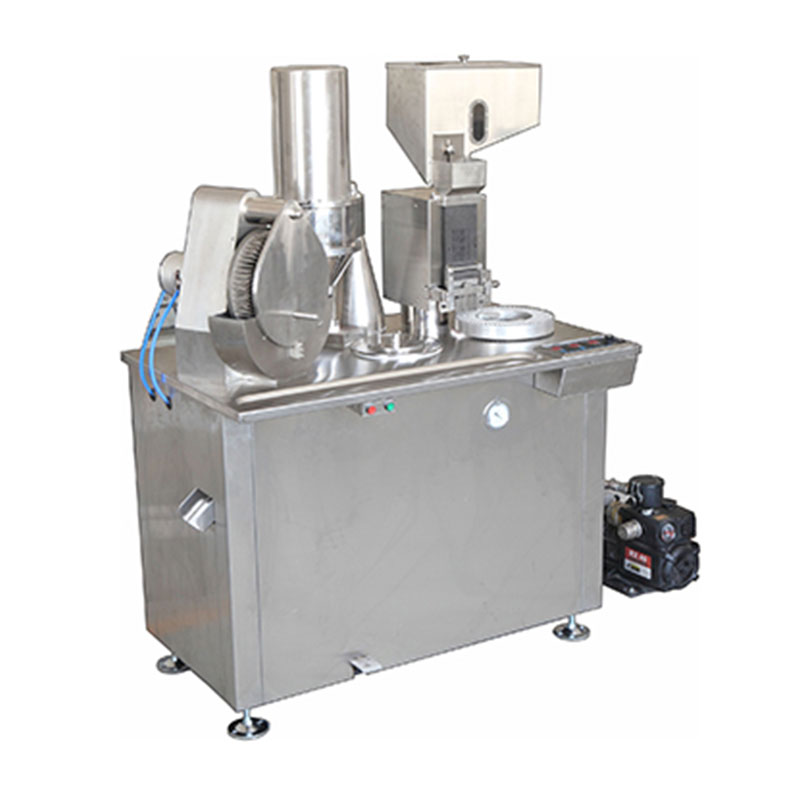
Working in Suqian Kelaiya, we often engage in dialogues with capsule filling machine manufacturers about optimizing capsule dissolution rates. Ensuring rapid breakdown not only accelerates consumption benefits but also aligns with our eco-friendly goals.
There’s a sort of satisfaction in seeing reduced waste metrics through actual data—hard evidence that the shift to plant-based materials matters. Yet, there’s always room for continual improvement, and feedback loops with partners remain crucial.
Innovations in Production
Reflecting on production innovations, one must consider the role new technologies play. At Suqian Kelaiya, our sites in Zhejiang incorporate cutting-edge machinery for both empty capsules and capsule filling processes. The eco-friendliness of production is enhanced through efficiency, reducing emissions and waste.
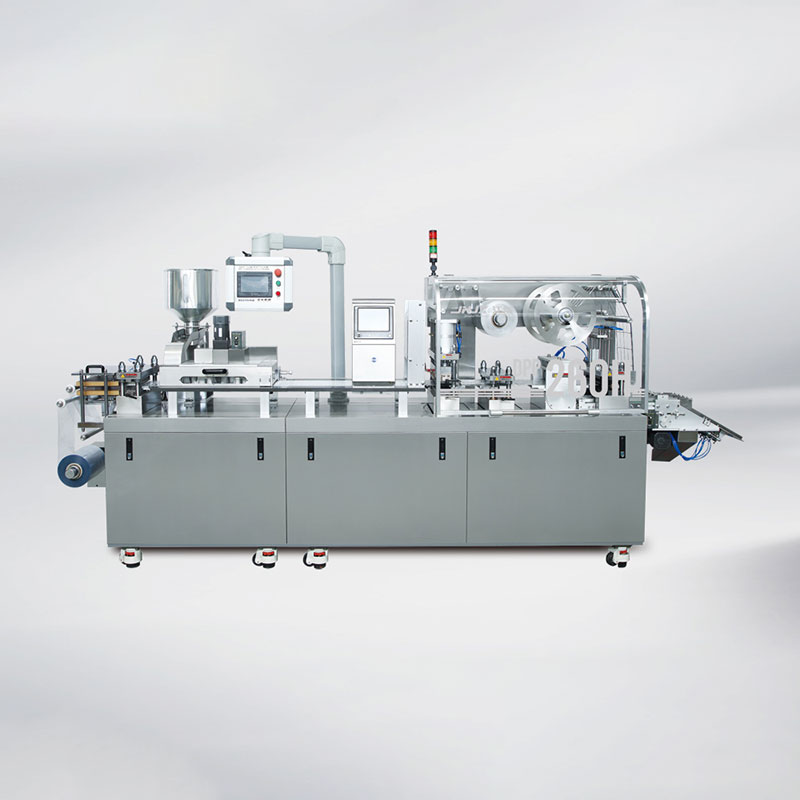
One specific innovation that resonates is the adoption of blister machine technology, minimizing excess material usage. By producing only what’s necessary, we sidestep common pitfalls of resource wastage, which are prevalent in traditional manufacturing systems.
Examples from our workshops often highlight how streamlined workflows contribute to sustainability. Yet, we can’t ignore the initial costs and challenges of transitioning to such systems—an investment in the planet’s future.
Challenges and Considerations
It’s not always smooth sailing. As an industry insider, I’ve encountered hurdles. The primary challenge is consumer awareness. Not all customers are educated about the benefits of clear vegetable capsules, and misconceptions about their efficacy compared to traditional options persist.
From my dealings, particularly through Suqian Kelaiya’s customer interactions, educating clients becomes a responsibility. Bridging the knowledge gap requires us to invest in transparent, informative labeling and outreach initiatives.
Furthermore, scalability can pose issues—ensuring consistent quality while expanding production. This is where Suqian Kelaiya’s dual-site operations in Zhejiang and Jiangsu prove advantageous. Balancing these scales ensures sustainability without compromising product integrity.
Looking Forward
The path ahead promises further developments. As Suqian Kelaiya continues to innovate, our commitment remains strong toward pushing the boundaries of eco-friendly practices. Aligning with global sustainability goals demands constant reassessment and adaptation—a journey rather than a destination.
Reflecting on the efforts at Suqian Kelaiya International Trading Co., Ltd., I’ve witnessed the tangible impacts of choosing sustainably, not just within the manufacturing units but rippling out to consumers worldwide. The future of vegetable capsules as eco-friendly options lies in these ongoing endeavors.
Staying informed, adaptive, and proactive will solidify their role in a more environmentally conscious supplement industry. In conclusion, it’s a multifaceted challenge, but one worth undertaking for both ecological balance and the ethical evolution of our industry.