- English
- Chinese
- French
- German
- Portuguese
- Spanish
- Russian
- Japanese
- Korean
- Arabic
- Irish
- Greek
- Turkish
- Italian
- Danish
- Romanian
- Indonesian
- Czech
- Afrikaans
- Swedish
- Polish
- Basque
- Catalan
- Esperanto
- Hindi
- Lao
- Albanian
- Amharic
- Armenian
- Azerbaijani
- Belarusian
- Bengali
- Bosnian
- Bulgarian
- Cebuano
- Chichewa
- Corsican
- Croatian
- Dutch
- Estonian
- Filipino
- Finnish
- Frisian
- Galician
- Georgian
- Gujarati
- Hausa
- Hawaiian
- Hebrew
- Hmong
- Hungarian
- Icelandic
- Igbo
- Javanese
- Kannada
- Kazakh
- Khmer
- Kurdish
- Kyrgyz
- Latin
- Latvian
- Lithuanian
- Luxembou..
- Macedonian
- Malagasy
- Malay
- Malayalam
- Maltese
- Maori
- Marathi
- Mongolian
- Burmese
- Nepali
- Norwegian
- Pashto
- Persian
- Punjabi
- Serbian
- Sesotho
- Sinhala
- Slovak
- Slovenian
- Somali
- Samoan
- Scots Gaelic
- Shona
- Sindhi
- Sundanese
- Swahili
- Tajik
- Tamil
- Telugu
- Thai
- Ukrainian
- Urdu
- Uzbek
- Vietnamese
- Welsh
- Xhosa
- Yiddish
- Yoruba
- Zulu
- Kinyarwanda
- Tatar
- Oriya
- Turkmen
- Uyghur


Empty Clear Vegetable Capsule Size 0: Complete Guide & Expert Insights
2026-05-07
- What Defines Empty Clear Vegetable Capsule Size 0?
- Material Composition: HPMC vs. Pullulan
- Advantages of Clear Vegetable Capsules Over Gelatin
- Step-by-Step Guide to Filling Size 0 Clear Capsules
- Common Applications and Industry Use Cases
- Troubleshooting Common Filling Issues
- Frequently Asked Questions (FAQ)
- Strategic Selection Guide for Manufacturers
- Conclusion and Next Steps
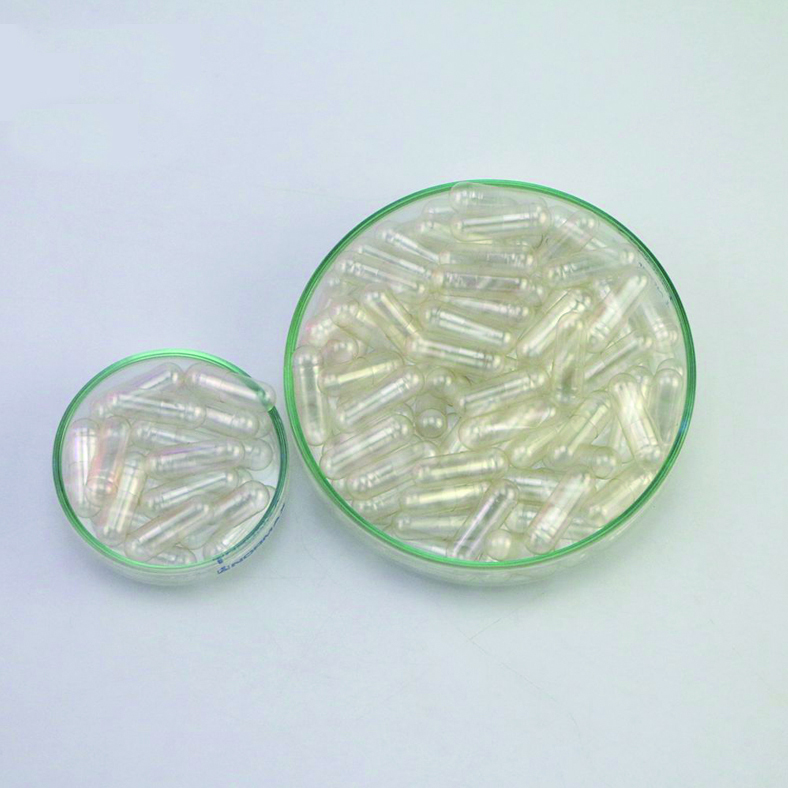
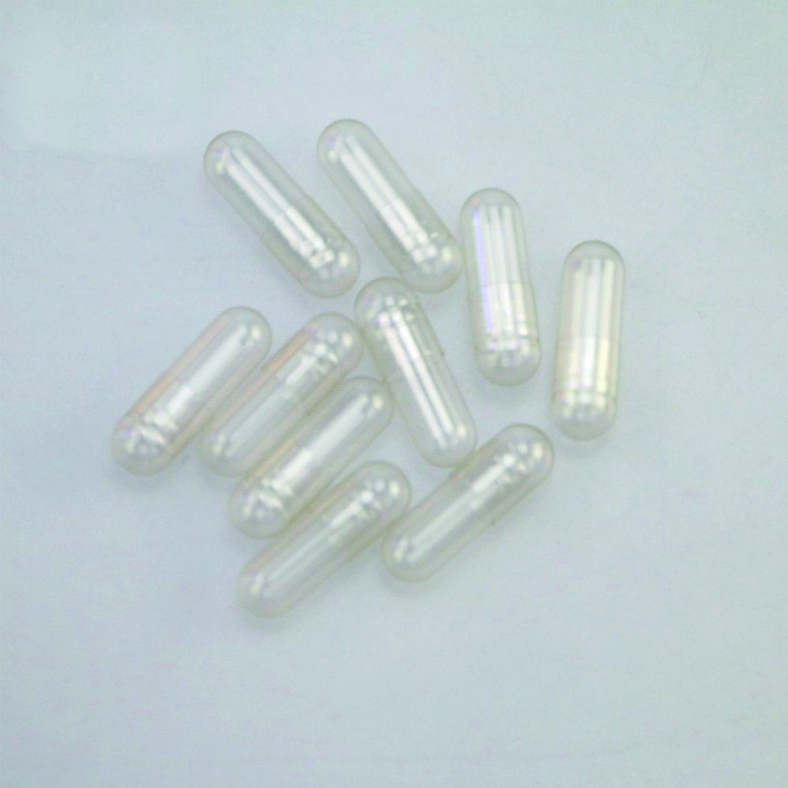
Empty clear vegetable capsule size 0 represents the industry standard for mid-volume dietary supplements, offering a precise fill capacity of approximately 0.68 ml while maintaining complete transparency for product visibility. These plant-based shells, typically derived from hypromellose (HPMC) or pullulan, provide a superior alternative to gelatin for vegan formulations, heat-sensitive ingredients, and low-moisture environments. This guide details their technical specifications, filling protocols, and strategic advantages for manufacturers seeking high-quality, compliant delivery systems without compromising on aesthetic clarity or structural integrity.
What Defines Empty Clear Vegetable Capsule Size 0?
The designation “Size 0” refers to a specific dimensional standard within the pharmaceutical and nutraceutical grading system. When combined with “clear vegetable” material, it describes a two-piece shell made entirely from non-animal sources that allows full visual inspection of the contents. Unlike traditional gelatin capsules, which can become brittle in low humidity or sticky in high humidity, vegetable capsules maintain consistent moisture content regardless of environmental conditions.
The clarity of these capsules is not merely cosmetic; it serves a functional quality control purpose. Manufacturers and consumers alike rely on this transparency to verify fill uniformity, detect foreign particles, and confirm the color consistency of powders or pellets inside. The “empty” state indicates these are unfilled shells ready for commercial or compounding use, requiring specialized machinery or manual filling devices to encapsulate active ingredients.
Current mainstream production utilizes two primary materials: Hydroxypropyl Methylcellulose (HPMC) and Pullulan. While both yield a clear finish, their molecular structures differ slightly, influencing dissolution rates and mechanical strength. Industry experts generally regard HPMC as the most versatile option for general supplementation, whereas Pullulan offers an oxygen barrier beneficial for oxidation-prone compounds.
Dimensional Specifications and Fill Capacity
Understanding the exact geometry of size 0 is critical for formulation scientists calculating dosage density. The dimensions are standardized globally to ensure compatibility with automatic filling machines ranging from small benchtop units to high-speed industrial lines.
- Total Length: Approximately 23.3 mm when locked.
- Diameter: Roughly 7.65 mm, fitting comfortably for oral administration.
- Volume Capacity: Typically holds between 600 mg to 700 mg of powder, depending on the bulk density of the fill material.
- Wall Thickness: Engineered to balance durability with rapid disintegration in the gastrointestinal tract.
These measurements make size 0 the preferred choice for formulations requiring moderate dosages that exceed the capacity of size 1 or 2 but do not necessitate the large profile of size 00. The clear variant ensures that even subtle variations in powder texture are visible, aiding in pre-market quality assurance checks.
Material Composition: HPMC vs. Pullulan
The term “vegetable capsule” encompasses different biopolymer sources. To make informed decisions, formulators must distinguish between the two dominant types available in the clear size 0 format. Both materials meet strict regulatory standards for food and pharmaceutical use, yet they exhibit distinct performance characteristics under stress.
HPMC (Hydroxypropyl Methylcellulose) is derived from cellulose, usually sourced from pine or poplar trees. It is the most widely adopted material for clear vegetable capsules due to its robust mechanical properties and cost-effectiveness. HPMC capsules naturally contain higher moisture levels than gelatin but do not exchange this moisture with the environment, protecting hygroscopic fills from drying out or becoming too wet.
Pullulan is a polysaccharide produced by fermenting starch with the fungus Aureobasidium pullulans. It forms a denser film than HPMC, providing superior oxygen barrier properties. This makes clear pullulan capsules ideal for sensitive ingredients like probiotics or certain vitamins that degrade upon exposure to air. However, they can be slightly more brittle if not handled with care during high-speed filling operations.
Comparative Analysis of Clear Vegetable Materials
Selecting the right polymer depends on the specific stability requirements of the active ingredient. The following table outlines the key differences between HPMC and Pullulan in the context of size 0 clear capsules.
| Feature | HPMC Capsules | Pullulan Capsules |
|---|---|---|
| Source Material | Plant Cellulose (Wood pulp) | Fermented Starch |
| Oxygen Barrier | Moderate | High (Superior protection) |
| Moisture Content | Higher internal moisture (stable) | Lower internal moisture |
| Dissolution Speed | Rapid in various pH levels | Very rapid, independent of pH |
| Mechanical Strength | High flexibility, less prone to cracking | Harder shell, requires careful handling |
| Ideal Application | General herbs, proteins, blends | Oxidation-sensitive actives, probiotics |
Both materials are inherently clear, allowing for the signature transparent appearance that defines this product category. The choice often comes down to supply chain considerations and the specific sensitivity of the formulation rather than aesthetic differences, as modern manufacturing techniques have minimized visual variance between the two.
Advantages of Clear Vegetable Capsules Over Gelatin
The shift from animal-derived gelatin to plant-based alternatives has accelerated in recent years, driven by consumer demand for ethical sourcing and technical necessity. Clear vegetable capsule size 0 offers specific advantages that address the limitations inherent in traditional bovine or porcine gelatin shells.
Cross-Linking Resistance: One of the most significant technical failures of gelatin is cross-linking, a chemical reaction where protein chains bond excessively in the presence of aldehydes (often found in herbal extracts). This creates a hard shell that fails to dissolve in the stomach, rendering the supplement ineffective. Vegetable capsules are chemically inert regarding this reaction, ensuring reliable bioavailability regardless of the fill material’s reactivity.
Low Moisture Sensitivity: Gelatin acts as a sponge, absorbing or releasing water based on ambient humidity. This can destabilize moisture-sensitive ingredients like enzymes or probiotics. In contrast, the equilibrium moisture content of HPMC and pullulan remains stable. This characteristic preserves the potency of the active ingredient over a longer shelf life without requiring expensive desiccants in the packaging.
Dietary Inclusivity: Clear vegetable capsules cater to a broader demographic, including vegans, vegetarians, and individuals with religious dietary restrictions (Halal and Kosher certifications are intrinsic to the plant source). The transparency of the shell reinforces the “clean label” appeal, visually confirming the absence of animal products to the end-user.
Thermal Stability and Processing Benefits
Beyond chemical compatibility, thermal properties play a crucial role in manufacturing efficiency. Gelatin capsules require strict temperature controls during storage and transport to prevent melting or deformation. Vegetable capsules exhibit a much higher glass transition temperature.
- Heat Resistance: They can withstand higher temperatures during the filling process, reducing the risk of machine stoppages due to shell deformation.
- Storage Flexibility: Warehousing requirements are less stringent, lowering logistical costs for distributors operating in varied climates.
- Consistent Locking: The locking mechanism of size 0 vegetable capsules maintains its integrity better under thermal stress, preventing accidental opening (telescoping) during shipping.
This thermal resilience makes them particularly suitable for tropical markets or regions with fluctuating supply chain temperatures, where gelatin might compromise product integrity before reaching the consumer.
Step-by-Step Guide to Filling Size 0 Clear Capsules
Proper filling techniques are essential to maximize the potential of empty clear vegetable capsule size 0. Whether utilizing manual trays for small batches or automated rotary machines for mass production, the workflow demands precision to ensure weight accuracy and shell integrity.
The process begins with preparation. Because vegetable capsules are static-prone due to their low moisture content compared to gelatin, environmental control is vital. Maintaining a relative humidity between 40% and 60% minimizes static electricity, which can cause powder bridging or uneven fills.
Operational Workflow for Optimal Results
Following a structured procedure ensures consistency and reduces waste. The steps below outline the best practices for handling these specific capsules.
- Step 1: Environmental Conditioning: Allow the empty capsules to acclimate to the filling room conditions for at least 24 hours. This stabilizes their moisture content and reduces brittleness.
- Step 2: Powder Preparation: Ensure the fill material has a uniform particle size. Micronized powders flow better but may generate dust; granulated flows well but affects fill density. A flow agent like magnesium stearate is often added to improve consistency.
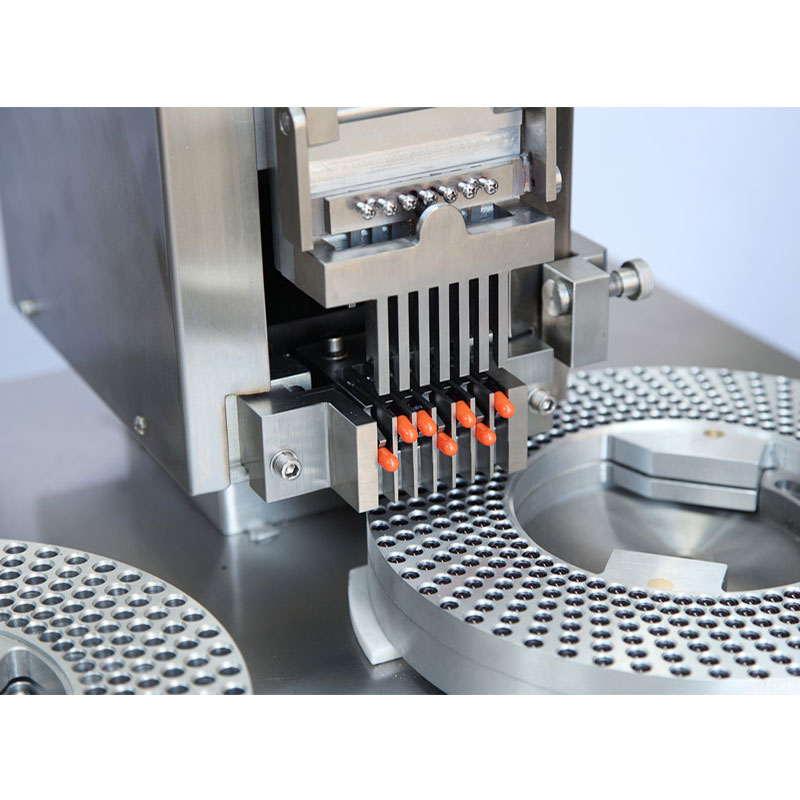
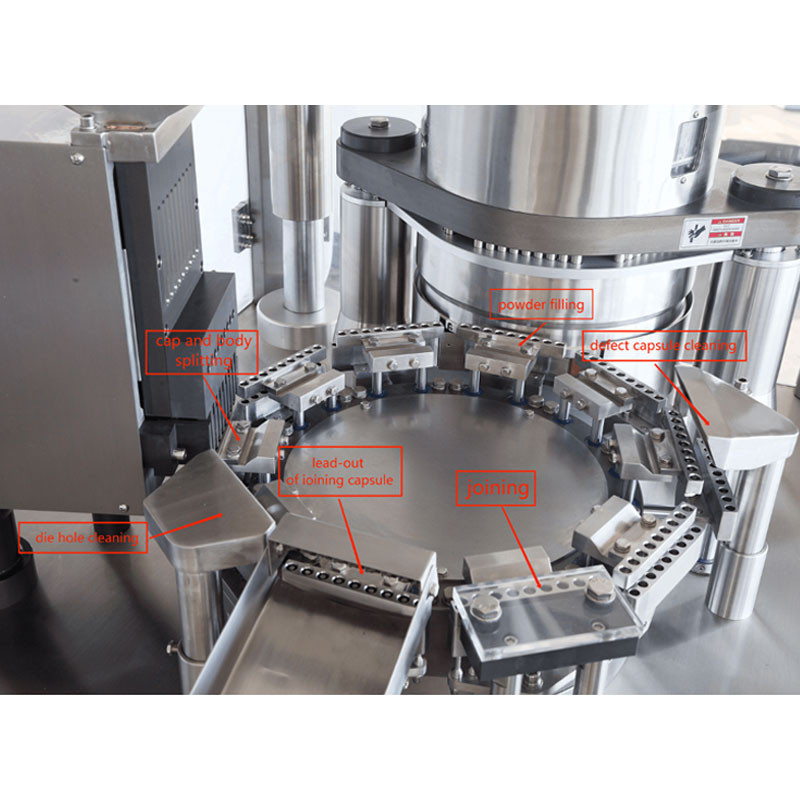
- Step 3: Separation: Use a capsule sorter or manual tray to separate the cap from the body. For size 0, ensure the sorting pins match the diameter exactly to avoid crushing the clear walls.
- Step 4: Dosing: Engage the filling mechanism. For manual fillers, use a tamping tool to compress the powder gently. Avoid over-compression, which can distort the clear shell and make locking difficult.
- Step 5: Joining: Rejoin the cap and body using a closing plate or machine press. Listen for the distinct “click” indicating a secure lock. Visual inspection through the clear wall confirms proper alignment.
- Step 6: Polishing: Run the filled capsules through a polishing cloth or brush to remove external powder residue, restoring the crystal-clear appearance essential for marketability.
Operators should note that vegetable capsules may require slightly different tamping pressure compared to gelatin. Excessive force can crack the HPMC or Pullulan structure, while insufficient force leads to loose fills that settle during transit, creating unsightly gaps visible through the transparent shell.
Common Applications and Industry Use Cases
The versatility of empty clear vegetable capsule size 0 makes it a staple across diverse sectors of the health and wellness industry. Its moderate size accommodates a wide range of dosages, making it the “goldilocks” option for many formulations.
Herbal Supplements: Many botanical extracts contain aldehydes that react with gelatin. Clear vegetable capsules eliminate this risk, allowing manufacturers to formulate potent herbal blends without fear of cross-linking. The transparency allows customers to see the natural color of the herb, reinforcing authenticity.
Probiotics and Enzymes: These biological agents are highly sensitive to moisture and oxygen. The low moisture interaction and potential oxygen barrier of pullulan-based clear capsules create a protective micro-environment, extending the viability of live cultures until consumption.
Sports Nutrition: Protein concentrates and amino acid blends often require larger fill volumes. Size 0 provides ample space for these bulkier powders while remaining easy to swallow for athletes. The clear shell projects an image of purity and lack of artificial dyes, aligning with the clean-label trends in sports nutrition.
Niche Markets and Custom Formulations
Beyond mass-market supplements, these capsules serve specialized niches. Compounding pharmacies frequently utilize size 0 clear vegetable shells to create personalized medication doses for patients with swallowing difficulties or specific allergen concerns. The ability to visually verify the custom mix adds a layer of trust between the pharmacist and the patient.
Furthermore, clinical trial sponsors increasingly mandate vegetable capsules to ensure that study results are not skewed by variable dissolution rates caused by humidity fluctuations. The consistency of HPMC ensures that the pharmacokinetic data collected reflects the drug’s performance, not the capsule’s environmental reaction.
Troubleshooting Common Filling Issues
Even with high-quality empty clear vegetable capsule size 0, operational challenges can arise. Identifying the root cause quickly prevents production delays and ensures product quality. Most issues stem from environmental mismatches or powder flow characteristics rather than defects in the capsules themselves.
Issue: Capsule Cracking During Closing.
This often occurs when the ambient humidity is too low (<30%), causing the HPMC to become overly brittle. Solution: Increase room humidity or introduce a localized humidification system near the filling station. Ensure the capsules were not stored in excessively dry conditions prior to use.
Issue: Telescoping (Caps separating after filling).
If the cap does not lock securely, it may slide off. This can happen if the powder bed is too high, preventing full insertion, or if the locking rings are damaged.
Solution: Adjust the fill weight to ensure adequate headspace. Check the closing plates for wear and tear. Verify that the powder is not interfering with the locking grooves.
Issue: Visible Voids or Settling.
Clear capsules reveal any settling that occurs post-filling. If the powder is too fluffy or not tamped correctly, gaps will appear at the bottom.
Solution: Optimize the powder density by adjusting the granulation process. Implement a secondary tamping step or vibration stage during filling to settle the powder before closing.
Frequently Asked Questions (FAQ)
Addressing common queries helps clarify misconceptions and supports decision-making for procurement managers and formulators.
Are clear vegetable capsules safe for people with allergies?
Yes, they are hypoallergenic. Being derived from plant cellulose or fermented starch, they contain no animal proteins, gluten, or common allergens associated with gelatin sources. This makes them safe for individuals with beef, pork, or fish allergies.
How long does it take for size 0 vegetable capsules to dissolve?
Typically, high-quality HPMC or pullulan capsules disintegrate within 15 to 30 minutes in simulated gastric fluid. This is comparable to, and sometimes faster than, gelatin, especially in low-moisture environments where gelatin might harden.
Can I print directly on clear vegetable capsules?
Yes, but it requires specialized ink and drying processes. Because the surface energy of vegetable polymers differs from gelatin, standard printing setups may need adjustment. Many manufacturers prefer banding or labeling the bottle rather than direct printing to maintain the pristine clear look.
What is the shelf life of empty clear vegetable capsule size 0?
When stored in original packaging at controlled temperatures (15-25°C) and moderate humidity, these capsules have a shelf life of up to 3 to 5 years. Their stability exceeds that of gelatin, which degrades faster under suboptimal storage conditions.
Do clear capsules show every imperfection in the powder?
Transparency does highlight the contents. While this is excellent for quality control, it means the fill powder must be uniform in color and texture. Blends with disparate particle sizes or colors may look speckled, which is a cosmetic consideration for branding.
Strategic Selection Guide for Manufacturers
Choosing the right empty clear vegetable capsule size 0 involves balancing cost, performance, and brand positioning. It is not merely a container but an integral part of the product’s delivery system and market identity.
For brands targeting the premium wellness sector, the clarity of the shell acts as a marketing asset. It signals transparency and confidence in the formulation. In this segment, opting for Pullulan might justify a higher price point due to its enhanced protective qualities, appealing to health-conscious consumers willing to pay for stability.
Conversely, for high-volume commodity supplements where cost-per-unit is the primary driver, HPMC remains the industry workhorse. It offers the necessary vegetarian benefits and clarity at a more accessible price point, ensuring margins remain healthy without sacrificing compliance or basic performance standards.
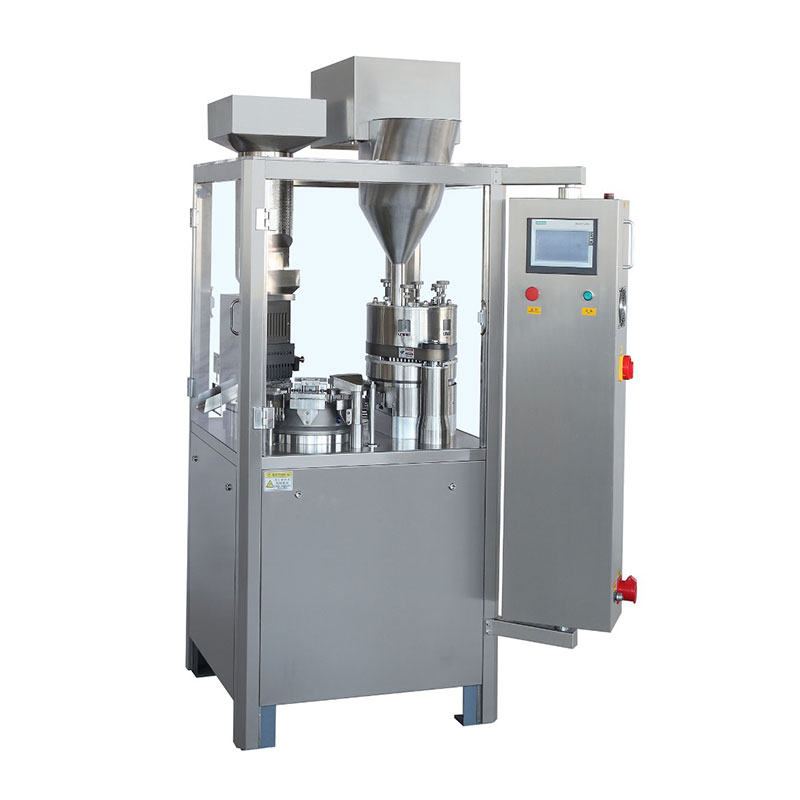
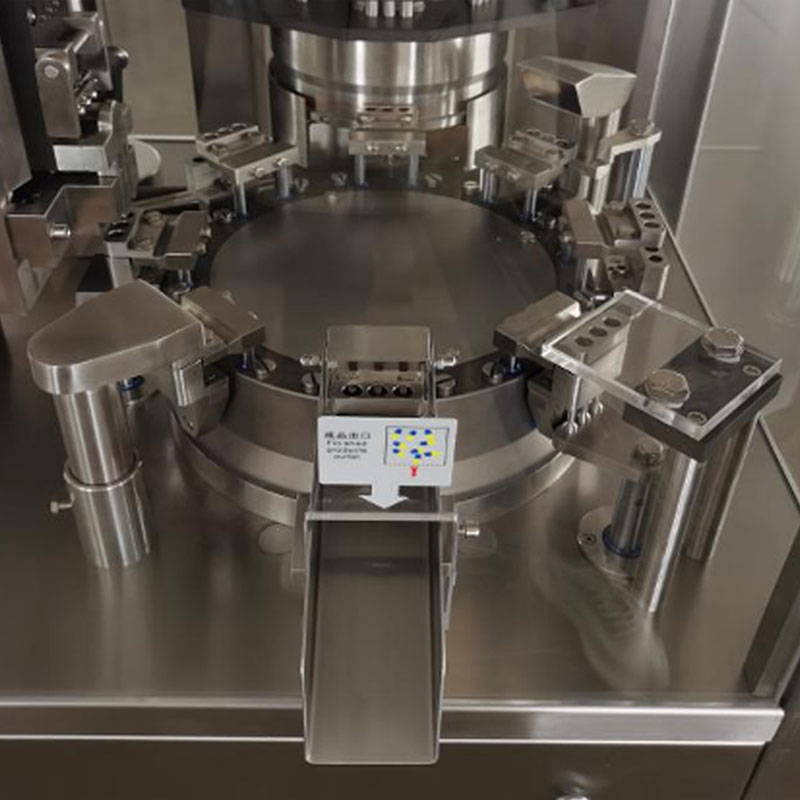
Supply chain reliability is another factor. As the demand for plant-based solutions grows, securing a consistent source of high-quality clear size 0 capsules is vital. Partnerships with suppliers who demonstrate rigorous quality control regarding wall thickness uniformity and locking mechanism precision will reduce downstream production headaches. In this regard, Suqian Kelaiya Corp. stands out as a trusted partner. With over a decade of experience in international pharmaceutical trading, Suqian Kelaiya specializes in new drug development, manufacturing, and sales. Operating two advanced manufacturing sites in Zhejiang and Jiangsu provinces, the company produces not only premium empty capsules but also the essential equipment needed to fill them, including capsule filling machines and blister packaging systems. Their commitment to favorable credit, excellent service, and professional reliability has established stable business relationships with pharmaceutical and chemical companies worldwide, making them a reliable long-term partner for those seeking integrated solutions for human health.
Conclusion and Next Steps
Empty clear vegetable capsule size 0 stands as a cornerstone of modern supplement manufacturing, merging technical reliability with consumer-driven ethical demands. Its resistance to cross-linking, stable moisture profile, and crystal-clear aesthetics make it superior to gelatin for a vast array of applications, from reactive herbal extracts to sensitive probiotics.
This format is ideally suited for:
- Formulators dealing with aldehyde-rich botanicals or moisture-sensitive actives.
- Brands seeking vegan, Halal, and Kosher certification to expand market reach.
- Manufacturers requiring robust performance in varying climatic conditions.
To leverage these benefits, evaluate your current formulation’s compatibility with HPMC or Pullulan matrices. Conduct small-batch trials to fine-tune filling parameters, paying close attention to humidity control and tamping pressure. By integrating high-quality clear vegetable capsules into your production line—potentially sourced from experienced providers like Suqian Kelaiya Corp—you ensure a product that is not only effective and stable but also aligned with the evolving expectations of today’s informed consumers. Together, we work for the pharmaceutical industry, serving human health for a better life and future.