- English
- Chinese
- French
- German
- Portuguese
- Spanish
- Russian
- Japanese
- Korean
- Arabic
- Irish
- Greek
- Turkish
- Italian
- Danish
- Romanian
- Indonesian
- Czech
- Afrikaans
- Swedish
- Polish
- Basque
- Catalan
- Esperanto
- Hindi
- Lao
- Albanian
- Amharic
- Armenian
- Azerbaijani
- Belarusian
- Bengali
- Bosnian
- Bulgarian
- Cebuano
- Chichewa
- Corsican
- Croatian
- Dutch
- Estonian
- Filipino
- Finnish
- Frisian
- Galician
- Georgian
- Gujarati
- Hausa
- Hawaiian
- Hebrew
- Hmong
- Hungarian
- Icelandic
- Igbo
- Javanese
- Kannada
- Kazakh
- Khmer
- Kurdish
- Kyrgyz
- Latin
- Latvian
- Lithuanian
- Luxembou..
- Macedonian
- Malagasy
- Malay
- Malayalam
- Maltese
- Maori
- Marathi
- Mongolian
- Burmese
- Nepali
- Norwegian
- Pashto
- Persian
- Punjabi
- Serbian
- Sesotho
- Sinhala
- Slovak
- Slovenian
- Somali
- Samoan
- Scots Gaelic
- Shona
- Sindhi
- Sundanese
- Swahili
- Tajik
- Tamil
- Telugu
- Thai
- Ukrainian
- Urdu
- Uzbek
- Vietnamese
- Welsh
- Xhosa
- Yiddish
- Yoruba
- Zulu
- Kinyarwanda
- Tatar
- Oriya
- Turkmen
- Uyghur



Cellulose Vegetable Capsules: A Comprehensive Guide
2025-08-16
This guide provides a thorough overview of cellulose vegetable capsules, covering their composition, benefits, uses, and considerations for choosing the right ones for your needs. Learn about different sizes, certifications, and how they compare to gelatin capsules. We’ll explore common applications and dispel any misconceptions surrounding their use.
What are Cellulose Vegetable Capsules?
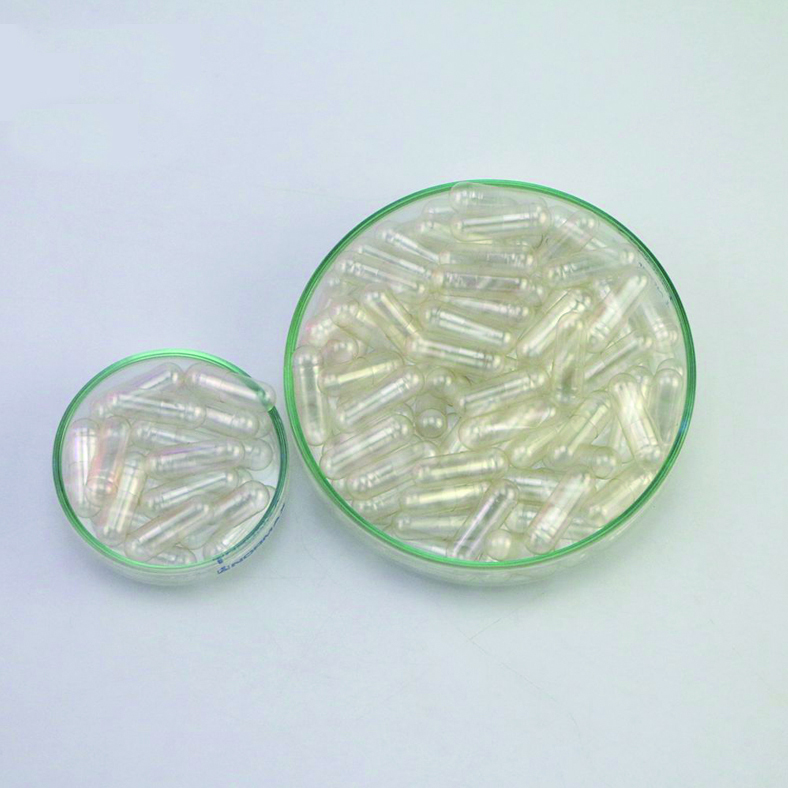
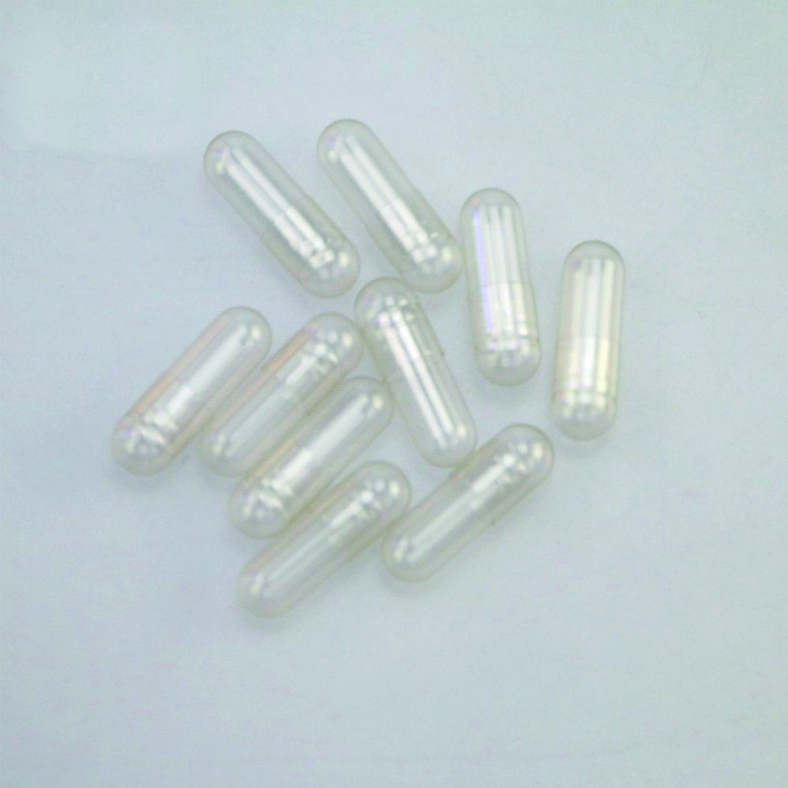
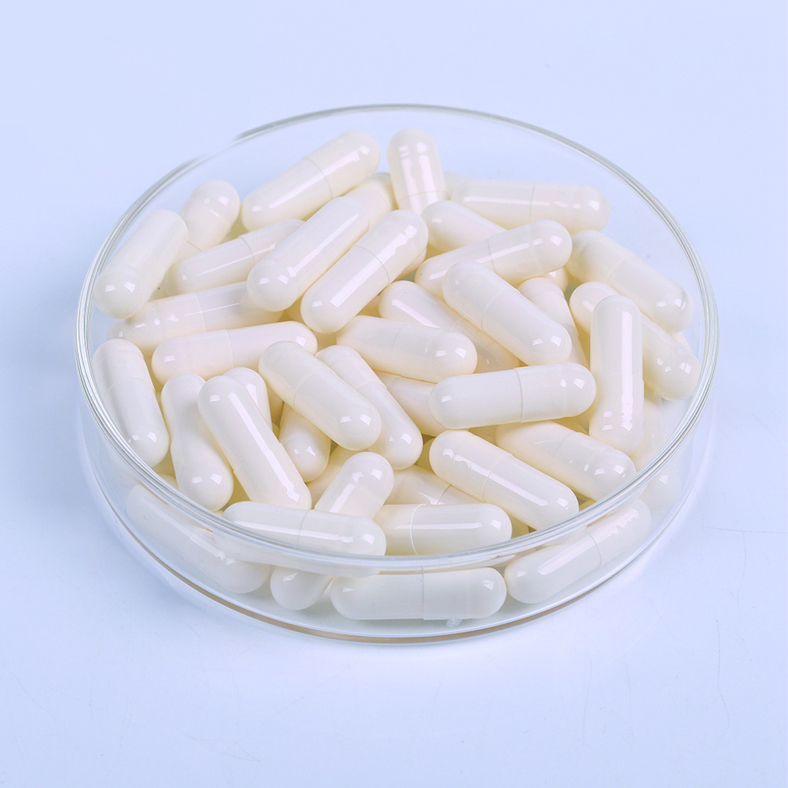
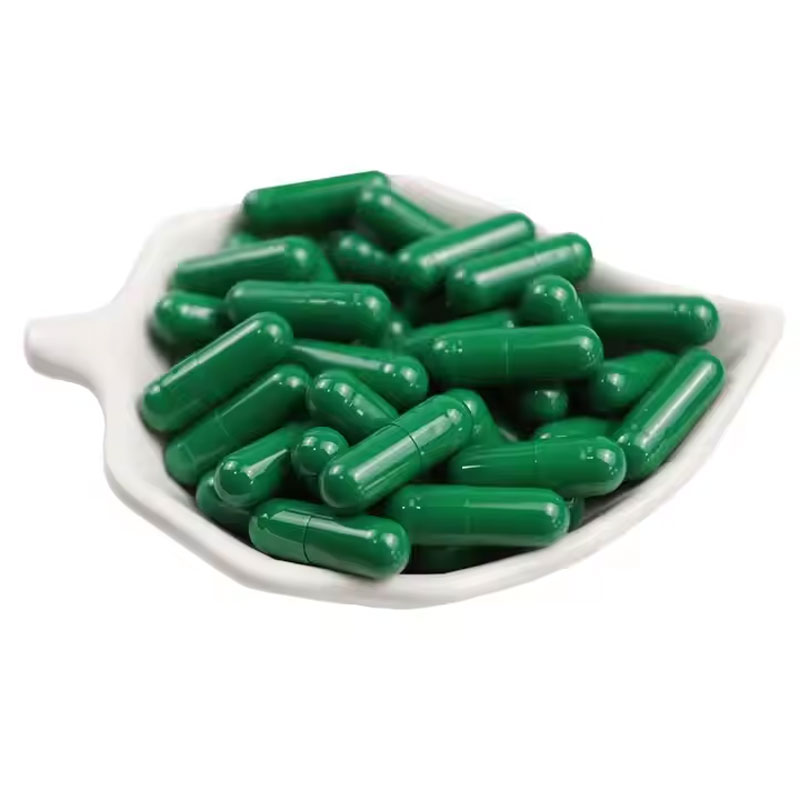
Cellulose vegetable capsules are a plant-based alternative to traditional gelatin capsules. They are made from plant-derived cellulose, typically from wood pulp or cotton, and are therefore suitable for vegetarians, vegans, and individuals with gelatin allergies or sensitivities. These capsules are generally considered hypoallergenic and are a popular choice for encapsulating various supplements, medications, and other substances.
Benefits of Using Cellulose Vegetable Capsules
Choosing cellulose vegetable capsules offers several key advantages:
- Vegetarian/Vegan Friendly: Unlike gelatin capsules, they are derived entirely from plant sources.
- Hypoallergenic: Their composition often leads to fewer allergic reactions compared to gelatin.
- Kosher and Halal Certification: Many manufacturers offer capsules with Kosher and Halal certifications, making them suitable for diverse religious dietary requirements.
- Gluten-Free: Typically, cellulose vegetable capsules are gluten-free.
- Ease of Swallowing: Many find them just as easy, or even easier, to swallow than gelatin capsules.

Types and Sizes of Cellulose Vegetable Capsules
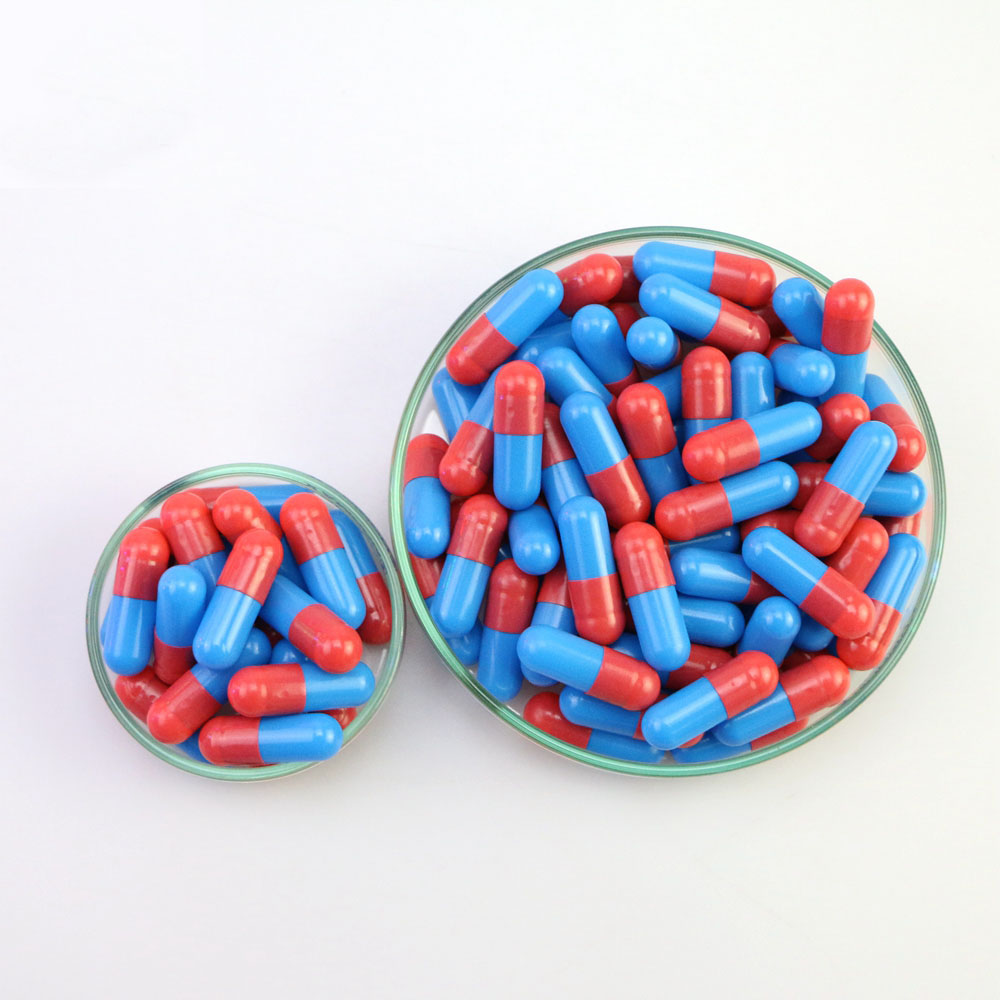
Cellulose vegetable capsules come in a variety of sizes, typically designated by number (e.g., size 00, size 0, size 1, size 2, etc.). The number indicates the capsule’s capacity; smaller numbers denote larger capsules. You can find empty capsules from numerous reputable suppliers, and the choice will depend on the amount of powder or liquid you need to encapsulate. Many suppliers offer certifications such as non-GMO or organic.
Choosing the Right Cellulose Vegetable Capsules
When selecting cellulose vegetable capsules, consider the following factors:
- Size: Choose the appropriate size based on the volume of your filling.
- Certification: Look for certifications such as vegetarian, vegan, non-GMO, organic, Kosher, or Halal, depending on your requirements.
- Supplier Reputation: Choose a reputable supplier with a history of providing high-quality capsules.
- Price: Compare prices from different suppliers to find the best value for your needs. Bulk purchasing often provides cost savings.
Comparison Table: Gelatin vs. Cellulose Vegetable Capsules
| Feature | Gelatin Capsules | Cellulose Vegetable Capsules |
|---|---|---|
| Source | Animal (collagen) | Plant (cellulose) |
| Dietary Restrictions | Not suitable for vegetarians/vegans | Suitable for vegetarians/vegans |
| Allergens | Potential for allergies | Generally hypoallergenic |
Frequently Asked Questions (FAQs)
Q: Are cellulose vegetable capsules completely tasteless?
A: While generally tasteless, some individuals may detect a slight earthy or plant-like taste, depending on the manufacturer and the quality of the cellulose used.
Q: How do I fill cellulose vegetable capsules?
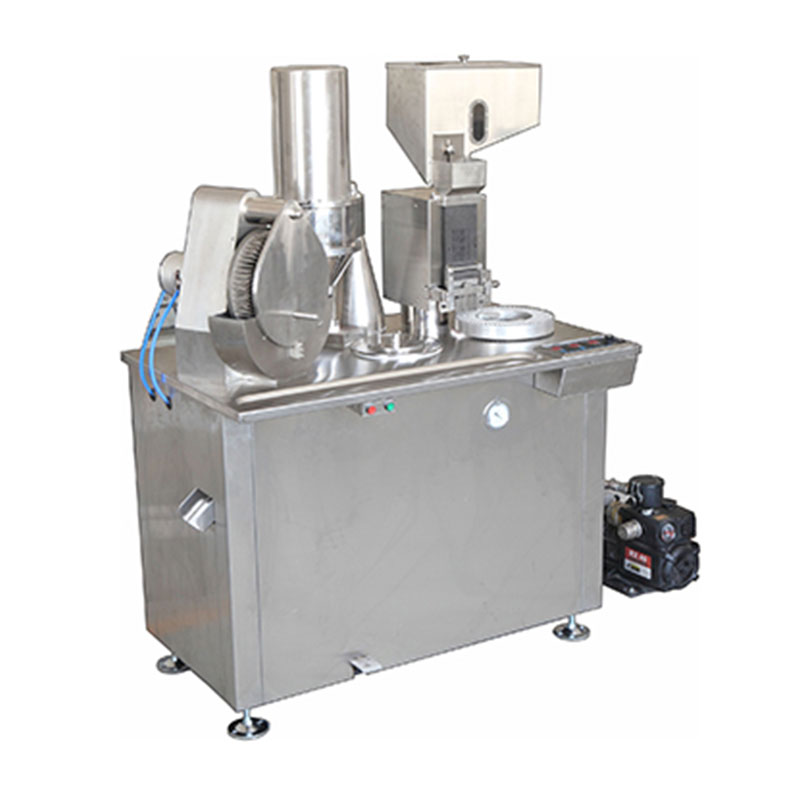
A: Several methods exist, including manual filling with a capsule filling machine or using specialized capsule filling equipment. Many online tutorials demonstrate these techniques.
For high-quality cellulose vegetable capsules and other related products, consider exploring options from reputable suppliers. Remember to always check product certifications and choose a supplier with a strong track record.
Disclaimer: This information is for general knowledge and does not constitute medical advice. Consult a healthcare professional before using any supplement or medication.